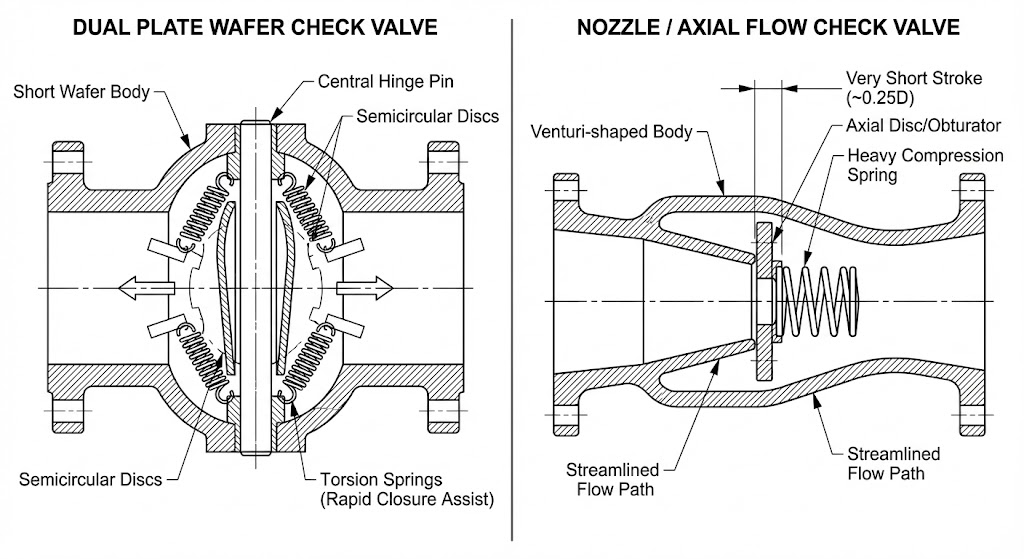
Understanding Check Valve Diagrams
Check valve diagrams serve three distinct purposes in industrial applications: they show the internal mechanical structure through cross-sectional views
Read Article →Discover technical documentation, industry trends, and insights about industrial hydraulic control valves and systems.
Check valve diagrams serve three distinct purposes in industrial applications: they show the internal mechanical structure through cross-sectional views
Read Article →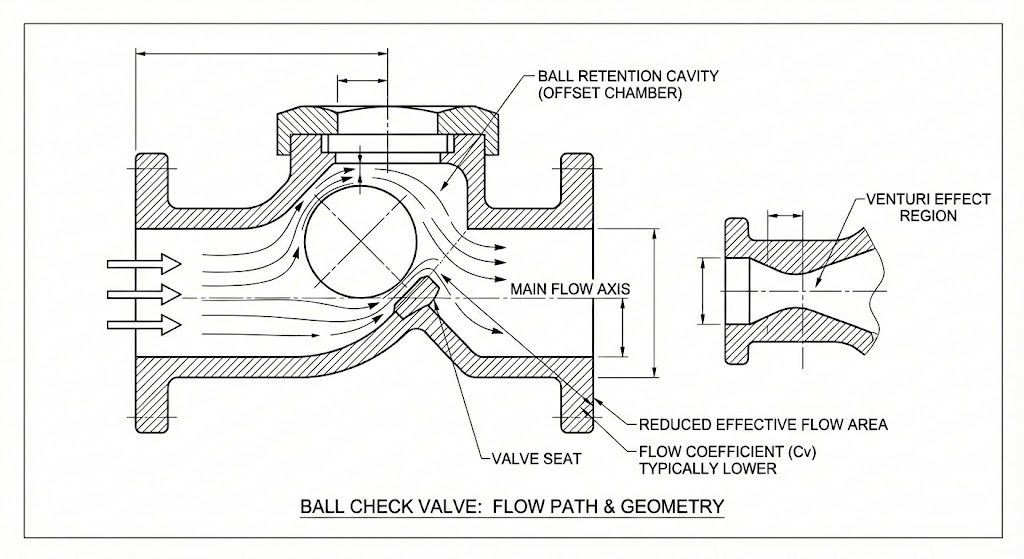
Understanding Ball Check Valve Diagrams: Internal Structure and Operating Principles
Read Article →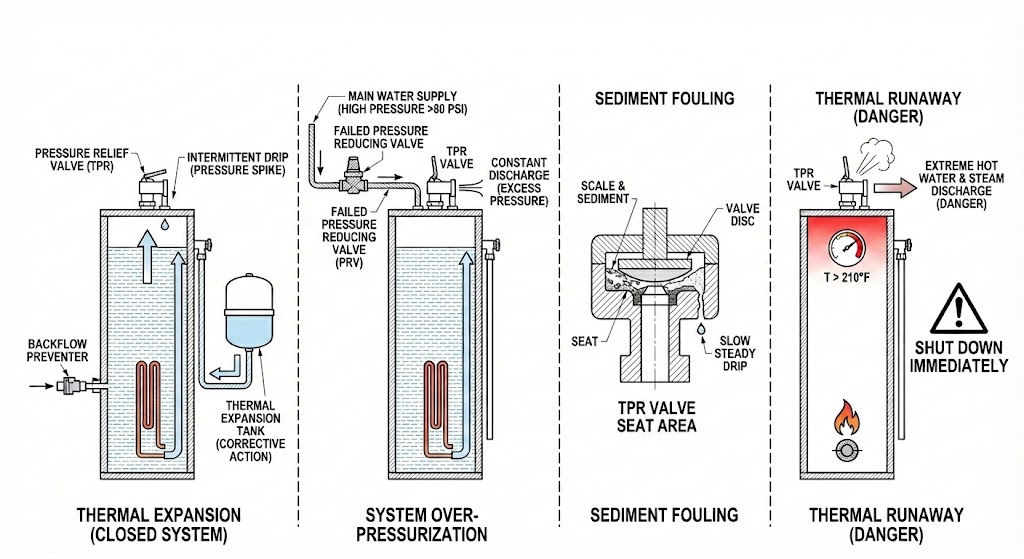
When you notice water dripping from your pressure relief valve, your first reaction might be concern about equipment failure or safety risks.
Read Article →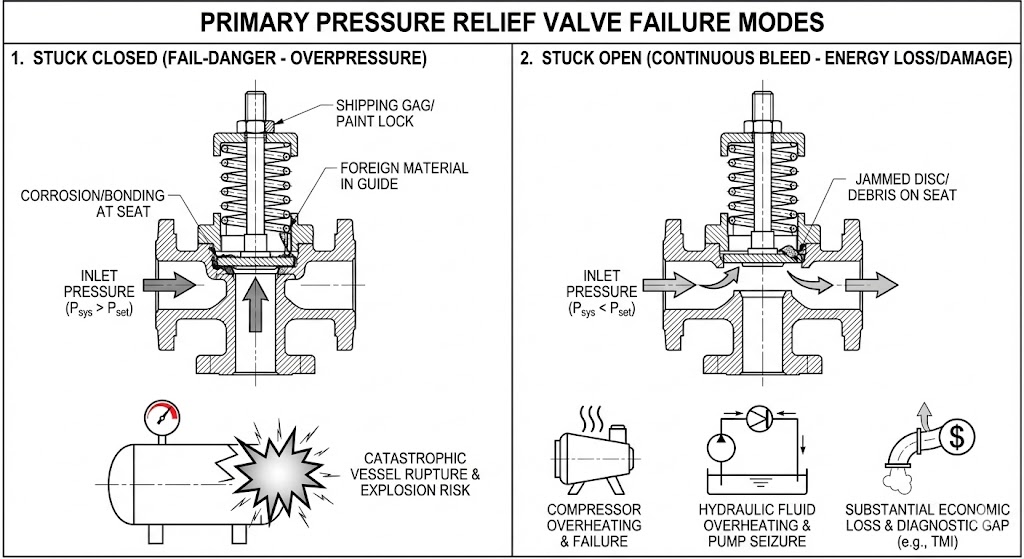
Pressure relief valves fail in fundamentally different ways, and recognizing which type of failure you're dealing with determines the urgency of your response.
Read Article →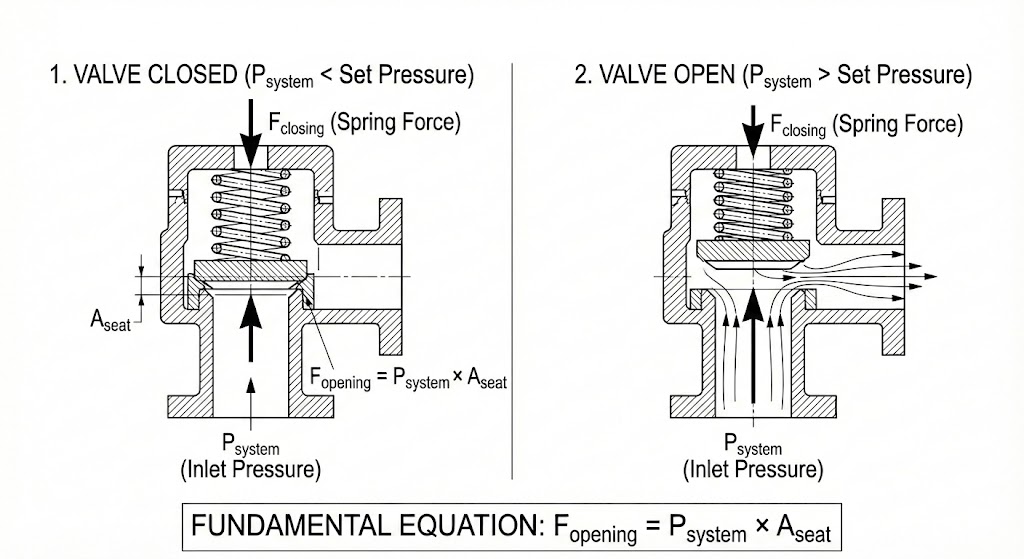
This guide breaks down the major pressure relief valve types you'll encounter, explaining how each works and when to use them.
Read Article →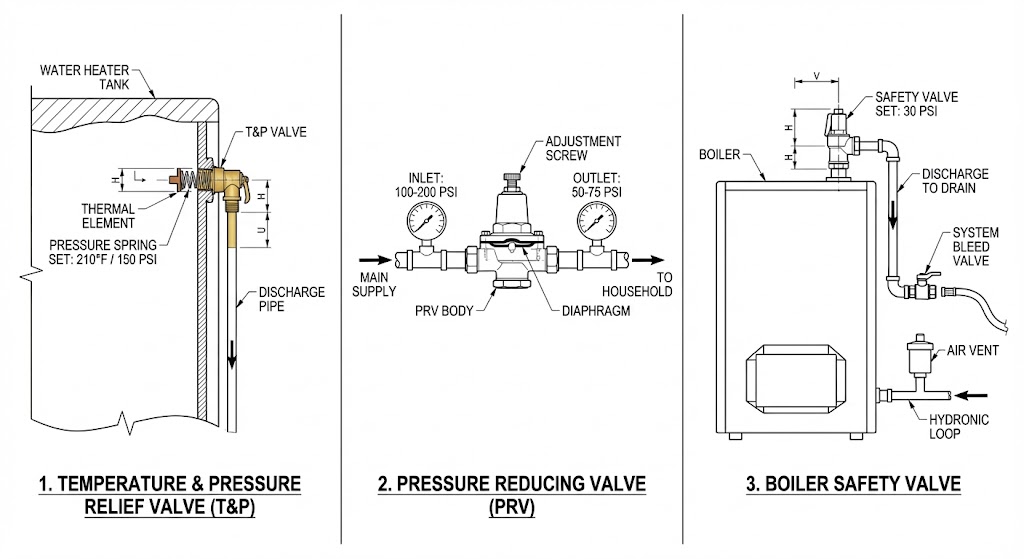
The cost to replace one of these critical safety components typically ranges from $150 to $700 for professional installation
Read Article →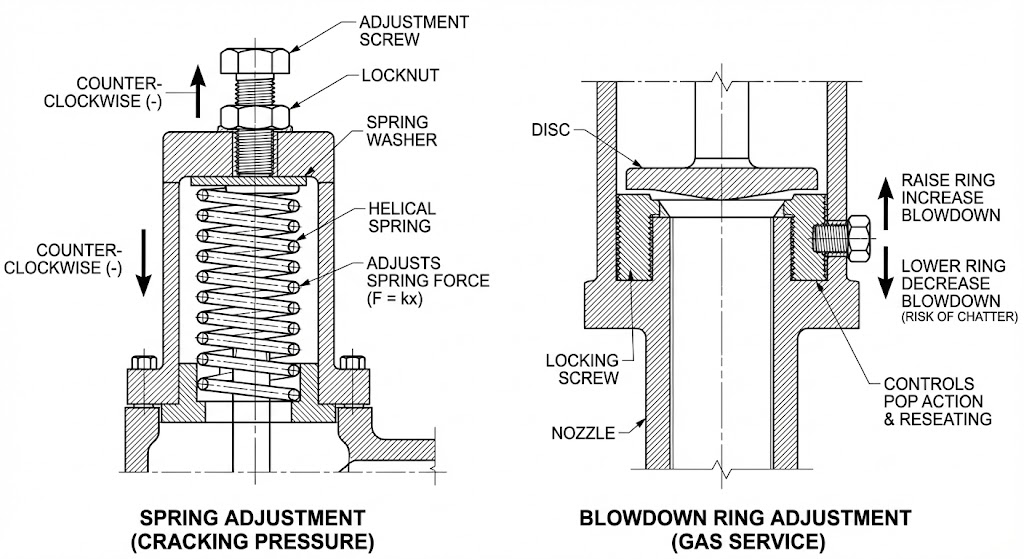
Yes, most pressure relief valves can be adjusted, but whether you should adjust them depends entirely on the valve type, application context, and regulatory requirements.
Read Article →The 3% rule states that the total non-recoverable pressure loss in the inlet piping leading to a pressure relief valve should not exceed 3% of...
Read Article →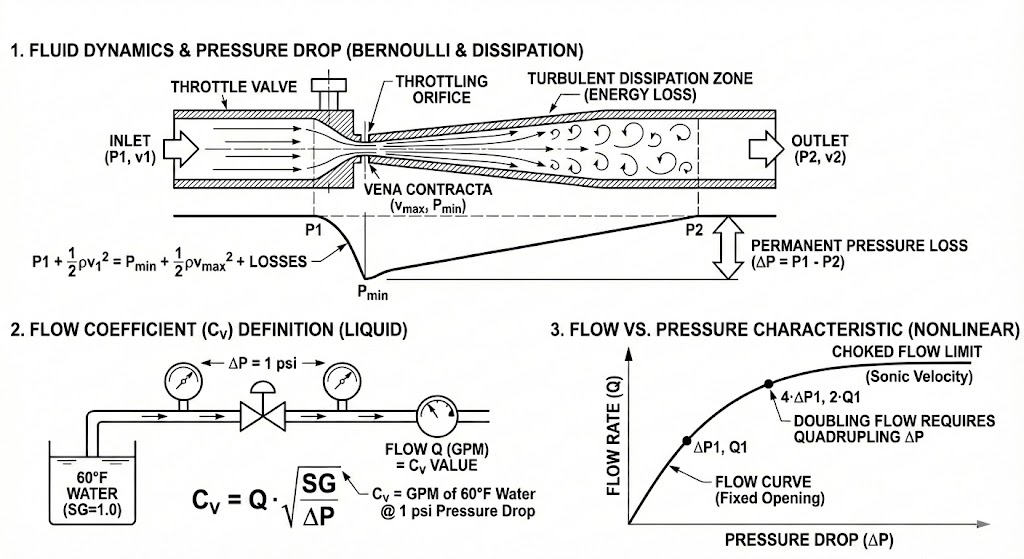
Unlike simple on-off isolation valves, throttle valves are designed to operate continuously at partial openings, converting fluid pressure energy into controlled resistance.
Read Article →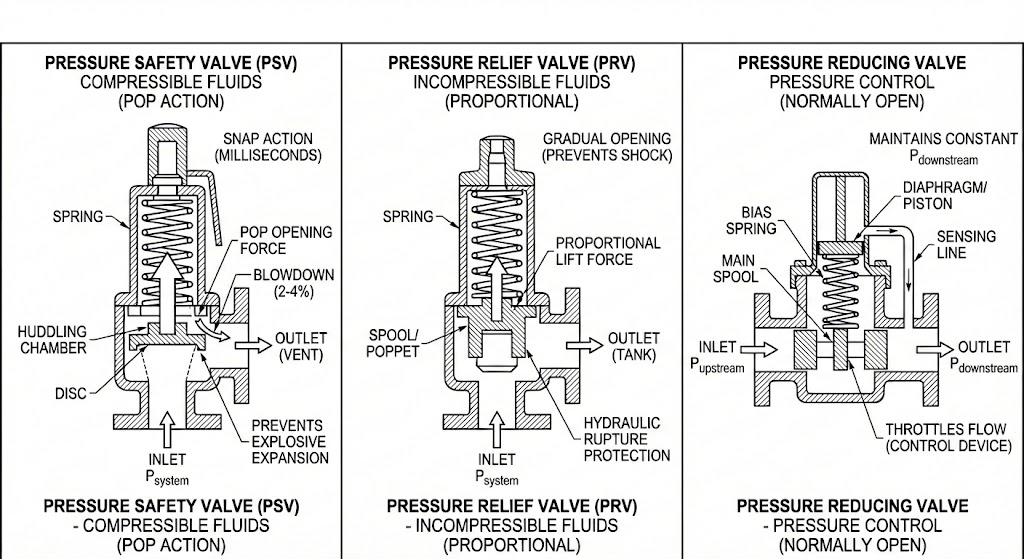
A pressure valve controls or limits pressure within a fluid system by releasing excess pressure when it exceeds a predetermined setpoint.
Read Article →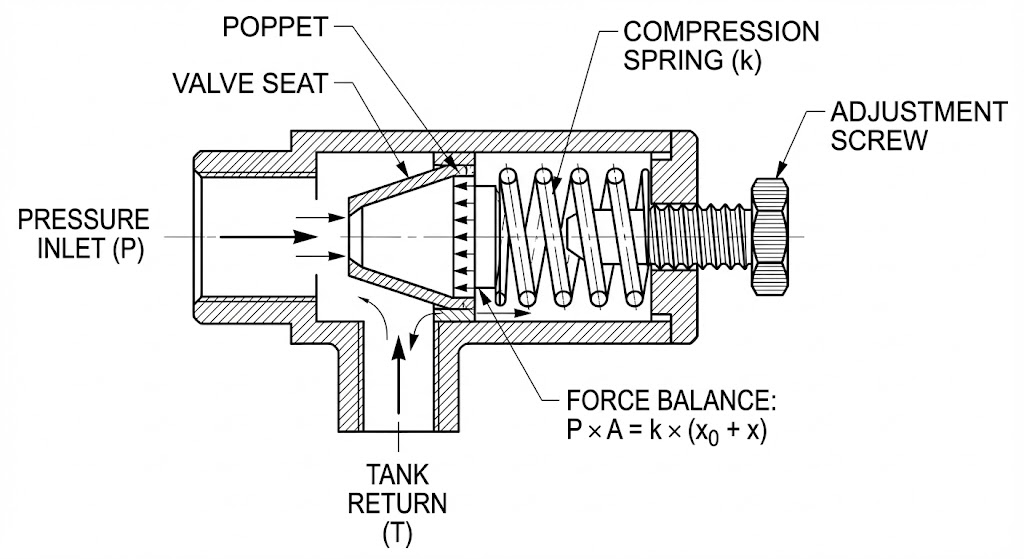
A hydraulic pressure relief valve operates on a simple yet elegant force balance principle.
Read Article →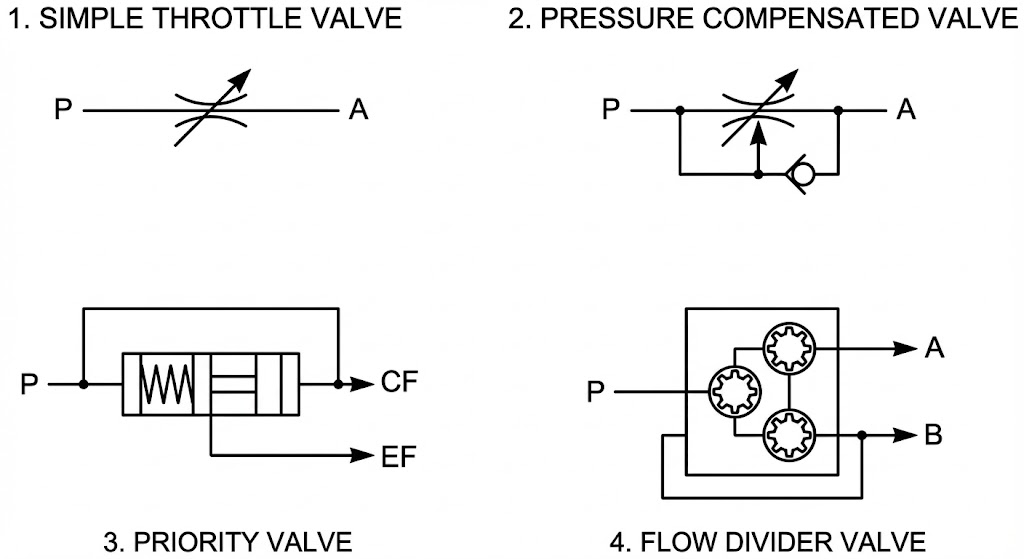
A basic throttle valve appears on hydraulic flow control valve diagrams as two curved lines facing each other, creating a narrow passage for fluid.
Read Article →