For complete selection guidelines and cross-reference documentation on this product line, please consult our flow control valve troubleshooting & specs.
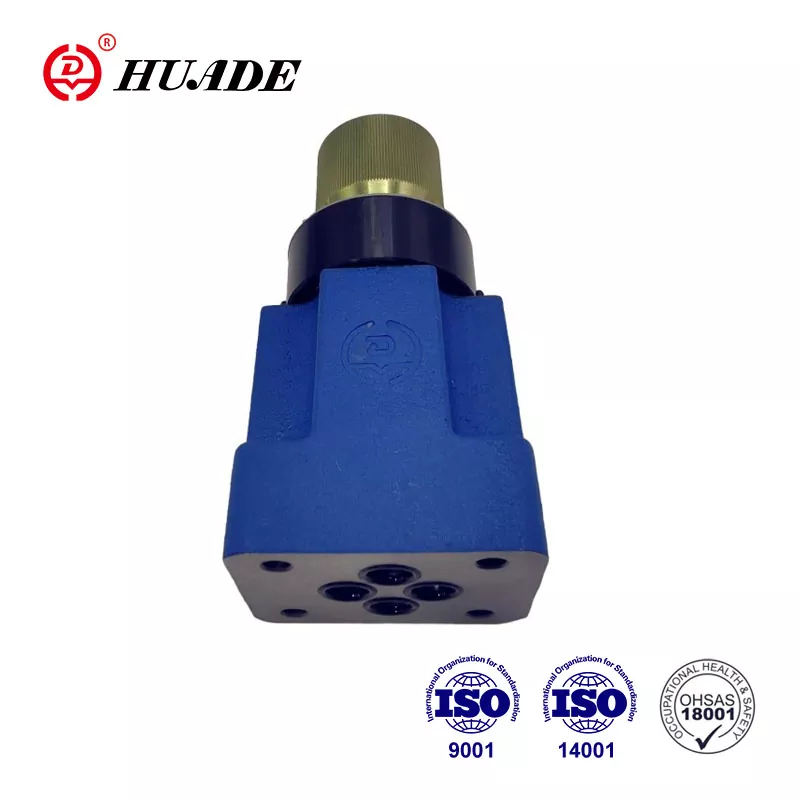
A 2 way hydraulic flow control valve is a crucial component in hydraulic systems that controls how fast fluid moves through a circuit. Think of it like a water faucet – you can turn it to control how much water flows out. In hydraulic systems, these valves control the speed of machines like excavators, injection molding machines, and factory equipment.
Why Flow Control Matters in Hydraulic Systems
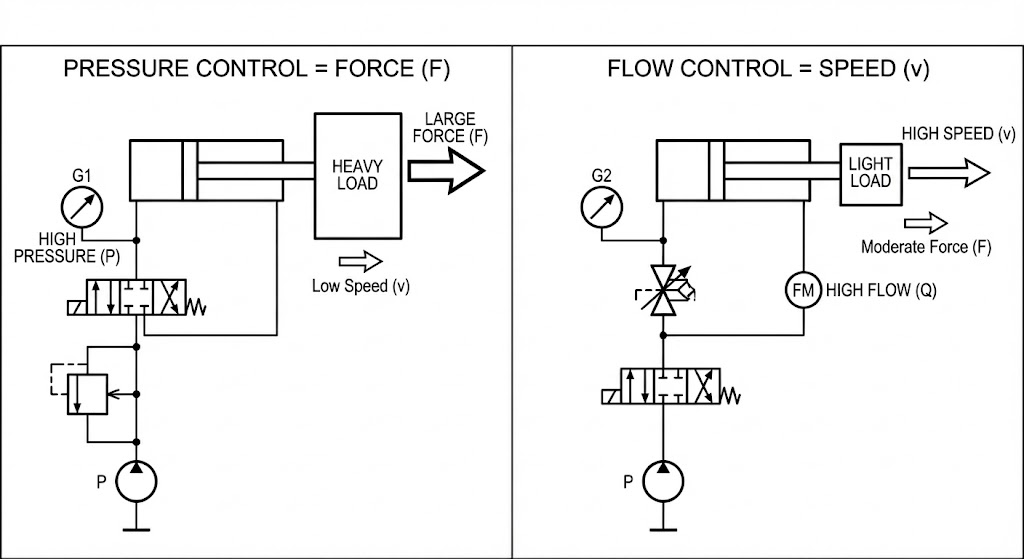
In any hydraulic system, three things are essential:
- Pressure – determines how much force or power you get
- Direction – controls which way things move
- Flow – controls how fast things move
The simple rule is: pressure controls force, flow controls speed. When you need to control how fast a hydraulic cylinder moves or how quickly a hydraulic motor spins, you need a flow control valve.
How Does a 2 Way Hydraulic Flow Control Valve Work?
Basic Parts of the Valve
Every 2 way hydraulic flow control valve has these main parts:
- Valve Body – the outer shell that connects to your hydraulic lines
- Throttle Opening – a small gap that fluid flows through
- Control Element – moves to make the gap bigger or smaller
- Adjustment Mechanism – lets you control the valve (manual knob or electric signal)
- Spring – helps the valve return to its starting position
The Science Behind Flow Control
When hydraulic fluid flows through a small opening, it creates resistance. This hydraulic speed control principle is what makes these valves work. The basic formula is:
This means:
- Bigger opening = more flow = faster speed
- Smaller opening = less flow = slower speed
- Higher pressure = more flow (if opening stays the same)
For hydraulic cylinder valve applications, this relationship directly controls how fast the piston moves. In hydraulic motor control systems, it determines rotational speed.
What are the Types of 2 Way Hydraulic Flow Control Valves?
1. Simple Throttle Valves (Non-Compensated)
These are the most basic type. They work like a manual water faucet:
How they work: You manually adjust a knob to change the opening size
Pros:
- Simple design
- Low cost
- Easy to understand
Cons:
- Flow changes when pressure changes
- Not very accurate
- Speed varies with load
Best for: Simple applications where exact speed isn’t critical
2. Pressure Compensated Flow Control Valves
These are much smarter. They automatically adjust to keep flow constant even when pressure changes.
How they work: A special mechanism inside keeps the pressure difference across the throttle opening constant
Pros:
- Very accurate (within 3-5% error)
- Flow stays the same regardless of load
- Works well with changing conditions
Cons:
- More complex
- Higher cost
- Needs clean oil
Best for: Precision machines, automated production lines
3. Pressure and Temperature Compensated Valves
These are the most advanced type. They adjust for both pressure AND temperature changes.
How they work: Special materials inside respond to temperature changes and automatically adjust the valve
Pros:
- Extremely accurate (within 2.5% error)
- Works in wide temperature ranges
- Best precision available
Cons:
- Most expensive
- Most complex
- Requires expert installation
Best for: Aerospace, testing equipment, critical applications
Which Control Method Should You Choose for Your Hydraulic Flow Control Valve?
Manual Control
What it is: Hand wheels, knobs, or screws that you turn by hand
When to use: Simple machines that don’t need automatic control
Examples: Basic shop equipment, manual presses
Electric Control
Solenoid Valves (On/Off)
- Function: Simple on/off control like a light switch
- Good for: Basic start/stop operations
- Limitation: Can’t provide smooth speed control
Proportional Valves
- Function: Smooth control based on electric signals (0-10V or 4-20mA)
- Response time: 50-80 Hz (fast enough for most applications)
- Good for: Injection molding, general automation
Servo Valves
- Function: Ultra-precise control with position feedback
- Response time: 150-200 Hz (very fast)
- Good for: Aerospace, high-precision manufacturing
Performance Comparison
| Control Type | Accuracy | Speed | Cost | Best Use |
|---|---|---|---|---|
| Manual | Low | Slow | Low | Simple equipment |
| Solenoid | Low | Fast | Low | On/off control |
| Proportional | Medium-High | Medium | Medium | General automation |
| Servo | Very High | Very Fast | High | Precision applications |
Installation and System Design
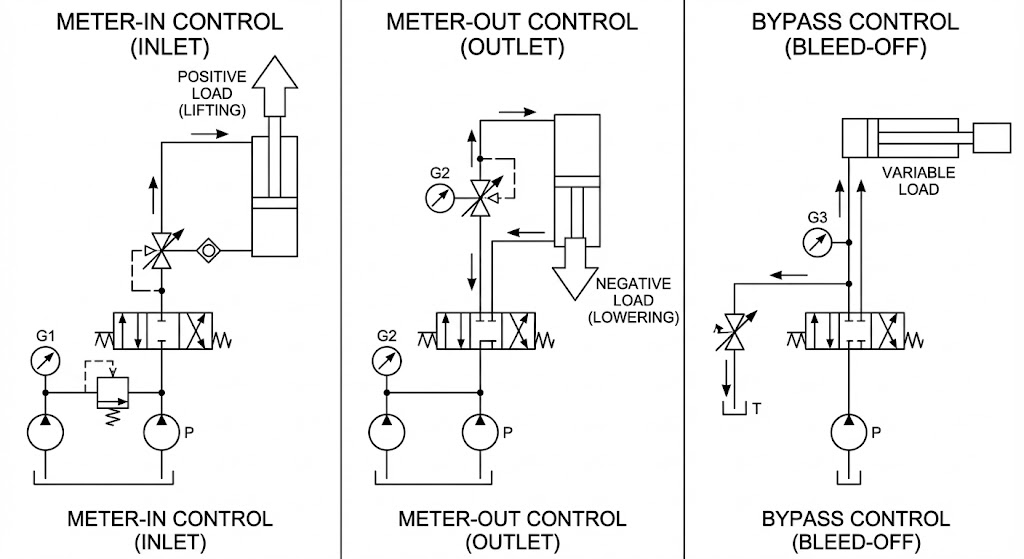
Where Should a 2 Way Flow Control Valve be Installed?
You can install flow control valves in three ways:
Inlet Control (Meter-In)
- Controls oil going into the cylinder
- Good for positive loads (like lifting)
- Risk: Can cause cavitation if not designed properly
Outlet Control (Meter-Out)
- Controls oil coming out of the cylinder
- Good for negative loads (like lowering heavy objects)
- Provides better control but higher pressure
Bypass Control
- Sends extra oil back to tank
- Less efficient but simpler
- Good for applications needing variable speed
Design Tips for Best Performance
- Size correctly: Choose valves that work at 20-80% of their maximum opening
- Keep oil clean: Use proper filtration (ISO 4406 standard)
- Consider temperature: Make sure valves work in your temperature range
- Plan for maintenance: Leave space for valve adjustment and replacement
Real-World Applications
Manufacturing Equipment
Injection Molding Machines
- Use proportional valves for precise speed control
- Multiple speed stages for different parts of the cycle
- Saves energy and improves product quality
Machine Tools
- Fast approach, slow feed, quick return cycles
- Cam-operated valves for automatic speed switching
- Improves surface finish and tool life
Mobile Equipment
Excavators and Loaders
- Flow sharing between multiple functions
- Load-sensing systems for efficiency
- Smooth operator control
Cranes and Lifting Equipment
- Load-holding valves prevent uncontrolled lowering
- Precise speed control for safety
- Emergency lowering capability
Aerospace and Defense
- Lightweight servo valves
- High reliability in extreme conditions
- Precise control for flight surfaces
Choosing the Right Valve: A Step-by-Step Guide
Step 1: Define Your Needs
- What speeds do you need?
- How accurate must the speed be?
- Will the load change during operation?
- Do you need automatic or manual control?
Step 2: Calculate Flow Requirements
- Cylinder area × desired speed = required flow
- Add 20% safety margin
- Consider multiple cylinders operating together
Step 3: Check Pressure Requirements
- System maximum pressure + safety factor
- Consider pressure spikes during operation
- Check valve pressure rating
Step 4: Select Control Type
- Manual for simple, infrequent adjustments
- Proportional for automated systems
- Servo for high-precision applications
Step 5: Consider Environment
- Temperature range
- Fluid compatibility
- Contamination levels
- Space constraints
Top Manufacturers and Products
Leading Brands
Bosch Rexroth
- 2FRM and 2FRE series valves
- Industry standard for precision
- Excellent technical support
Parker Hannifin
- Colorflow series with color-coded adjustment rings
- Wide range of sizes and options
- Good availability worldwide
HAWE Hydraulik
- DSJ and SF series valves
- Modular design for easy integration
- High-pressure capabilities
Eaton
- Cartridge valves (SiCV series)
- Space-saving designs
- Multifunctional capabilities
Danfoss
- PVG proportional valve groups
- Designed for mobile equipment
- Customizable solutions
What to Look for When Buying
- Technical specifications match your needs
- Good technical documentation
- Local service and support
- Reasonable lead times
- Competitive pricing
- Proven reliability in your industry
Future Trends in Flow Control Technology
Smart Valves and IoT Integration
Modern valves are getting smarter with:
- Built-in sensors for monitoring
- Wireless communication capabilities
- Predictive maintenance alerts
- Remote adjustment and monitoring
Advanced Materials
New materials are making valves:
- More resistant to wear
- Better in extreme temperatures
- Longer lasting
- More efficient
Energy Efficiency Focus
New designs focus on:
- Reducing energy waste
- Better heat management
- Improved efficiency ratings
- Environmental compliance
Common Problems and Solutions
| Problem | Solution |
|---|---|
| Speed Varies with Load | Upgrade to pressure compensated valve |
| Poor Response Time | Check for air in system, consider servo valve |
| Valve Hunting or Oscillation | Add damping, check system stiffness |
| Excessive Heat Generation | Check valve sizing, consider bypass control |
| Inconsistent Performance | Improve oil filtration, check for worn components |
Maintenance and Troubleshooting
Regular Maintenance Tasks
- Check oil cleanliness – Change filters regularly
- Monitor operating temperature – Keep within manufacturer limits
- Inspect for external leaks – Address immediately
- Test response times – Compare to baseline measurements
- Calibrate control signals – Ensure accuracy over time
Warning Signs to Watch For
- Sluggish response
- Inconsistent speeds
- Unusual noises
- External leakage
- Excessive heat
Cost Considerations
Initial Costs
- Simple throttle valves: $50-$200
- Proportional valves: $300-$1,500
- Servo valves: $1,000-$5,000+
Long-term Costs
- Energy efficiency savings
- Reduced maintenance
- Improved product quality
- Less downtime
ROI Factors
- Production speed improvements
- Quality consistency
- Energy savings
- Maintenance reduction
Conclusion
2 way hydraulic flow control valves are essential for controlling speed in hydraulic systems. The key is choosing the right type for your application:
- Simple throttle valves for basic, low-cost applications
- Pressure compensated valves for consistent performance
- Servo valves for the highest precision needs
Remember that the valve is just one part of your hydraulic system. Success depends on proper system design, correct sizing, good maintenance, and choosing quality components from reputable manufacturers.
The Cost of Choosing Wrong: What Happens When You Get It Wrong
Selecting the wrong flow control valve can lead to serious problems and expensive consequences:
Performance Issues:
- Inconsistent speeds – your machines won’t work reliably
- Poor quality products – inconsistent manufacturing processes
- Safety risks – unpredictable machine behavior can cause accidents
Financial Impact:
- Energy waste – poorly matched valves can increase power consumption by 15-30%
- Premature equipment failure – wrong valve sizing causes excessive wear on pumps, cylinders, and motors
- Production delays – unreliable hydraulic speed control leads to downtime and missed deadlines
- Maintenance costs – incorrect valves require more frequent service and replacement
System-Wide Problems:
- Heat buildup – inefficient valves generate excess heat, reducing oil life
- Pump damage – wrong flow control can cause pump cavitation or overheating
- Hydraulic cylinder valve mismatch – improper sizing damages seals and causes internal leakage
The bottom line: spending a little more on the right valve now saves thousands in repairs, energy costs, and lost production later.
Whether you’re building a new machine or upgrading an existing one, understanding these fundamentals will help you make the right choice and get the best performance from your hydraulic system.
Additional Resources
For more detailed technical information, consult:
- Manufacturer websites (Bosch Rexroth, Parker, HAWE)
- ISO 1219 hydraulic symbols standard
- Hydraulic engineering handbooks
- Local hydraulic distributors for application support
This guide provides a foundation for understanding 2 way hydraulic flow control valves. For specific applications, always consult with hydraulic engineers and follow manufacturer recommendations.