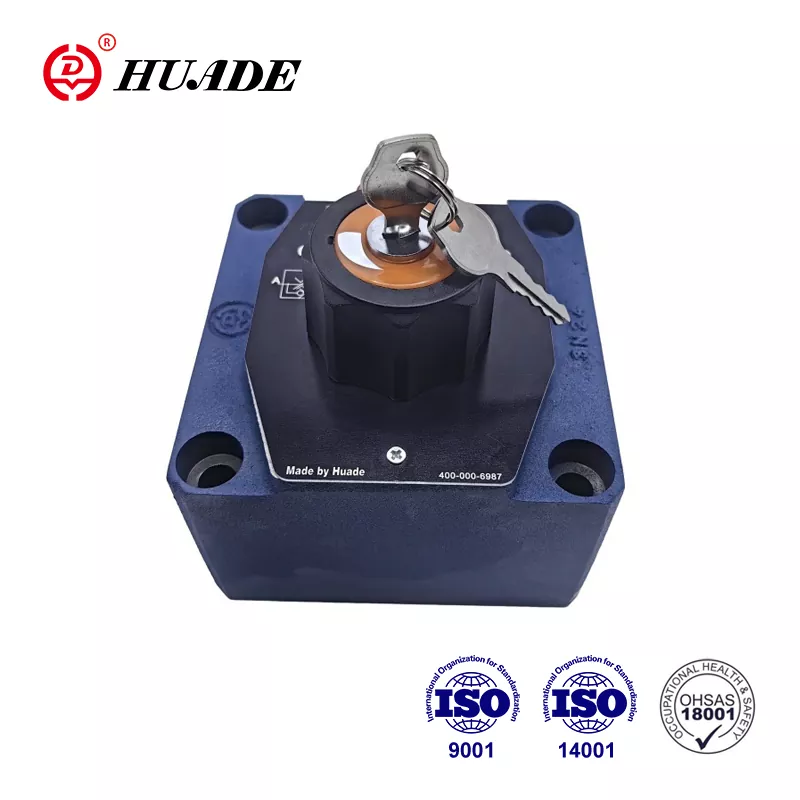
For complete selection guidelines and cross-reference documentation on this product line, please consult our flow control valve troubleshooting & specs.
What is a Flow Control Valve?
A flow control valve is a mechanical device that controls how much fluid flows through a pipe or system. Think of it like a faucet in your kitchen – you can turn it to let more or less water flow out. But flow control valves are much more precise and work in complex industrial systems.
These valves work by changing the size of the opening that fluid passes through, or by using special pressure systems to keep the flow steady. They’re the “final control element” in many systems, which means they’re the last piece that actually makes the adjustments.
The Main Purpose: Why Do We Need Flow Control Valves?
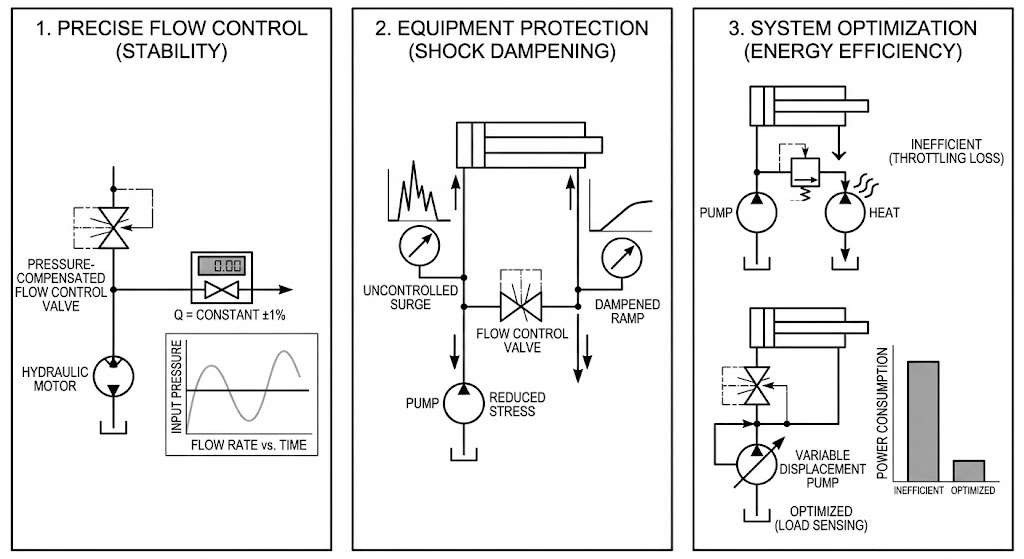
The main purpose of a flow control valve is to precisely control the flow rate of liquids, gases, or steam to maintain system stability, protect equipment, and optimize performance. Here are the key reasons we use them:
1. Precise Flow Control
- Keep fluid flow at exactly the right amount
- Maintain consistent pressure and temperature
- Ensure products are made with the right mix of ingredients
2. Equipment Protection
- Prevent damage from sudden pressure changes
- Reduce wear and tear on pumps and motors
- Make machinery last longer
3. System Optimization
- Save energy by controlling flow efficiently
- Reduce waste and improve productivity
- Help meet environmental regulations
How Do Flow Control Valves Work?
Flow control valves work using several different methods:
Basic Control Methods
Opening Size Adjustment
The most common way is changing how big the opening is. When you make the opening smaller, less fluid flows through. Make it bigger, and more fluid flows.
Pressure Compensation
Some valves automatically adjust to keep flow steady even when pressure changes in the system. It’s like having cruise control in your car – it maintains speed even when going up or down hills.
Electronic Control
Modern valves can be controlled by computers. They receive electronic signals (like 4-20mA signals) and adjust automatically to maintain perfect flow rates.
Key Components
Every flow control valve has these main parts:
- Valve Body: The strong outer shell that holds everything together
- Actuator: The part that moves to open or close the valve (can be manual or automatic)
- Positioner: Ensures the valve opens to exactly the right position
Types of Flow Control Valves
Different jobs need different types of valves. Here are the main types:
Globe Valves
How they work: A disc moves up and down to control flow
Best for: Precise control in chemical plants and power stations
Needle Valves
How they work: A sharp, pointed plug controls very small flows
Best for: Laboratory equipment and precise measurements
Ball Valves
How they work: A ball with a hole through it rotates to control flow
Best for: On/off control and high-flow applications
V-Port Ball Valves
How they work: Like ball valves but with a V-shaped opening
Best for: Precise flow control with high flow capacity
Butterfly Valves
How they work: A circular disc rotates to control flow
Best for: Large pipes and water treatment
Diaphragm Valves
How they work: A flexible membrane controls flow
Best for: Pharmaceutical and food industries
Where Are Flow Control Valves Used?
Flow control valves are everywhere in modern industry:
Manufacturing and Chemical Processing
Mixing ingredients
Making sure the right amounts of chemicals combine
Quality control
Keeping products consistent batch after batch
Safety
Preventing dangerous chemical reactions
Oil, Gas, and Power Plants
Pipeline control
Managing oil and gas flow over long distances
Steam control
Regulating steam in power generation
Emissions control
Reducing environmental impact
Water Treatment and HVAC
Clean water
Ensuring safe drinking water reaches homes
Energy efficiency
Optimizing heating and cooling systems
Leak prevention
Reducing water waste in distribution systems
Specialized Applications
- Aerospace: Controlling fuel flow in aircraft engines
- Medical: Precise gas delivery in hospitals
- Food processing: Maintaining sanitary conditions in production
Benefits of Precise Flow Control
Using the right flow control valve brings many advantages:
Improved Efficiency
- Less waste: Prevents using too much or too little material
- Energy savings: Optimizes pump and motor operation
- Higher productivity: Keeps processes running smoothly
Better Product Quality
- Consistency: Every batch or product is the same
- Purity: Prevents contamination and mixing errors
- Brand protection: Maintains quality standards
Safety and Cost Savings
- Equipment protection: Prevents expensive breakdowns
- Worker safety: Reduces risk of accidents and leaks
- Maintenance savings: Equipment lasts longer with proper flow control
Environmental Benefits
- Reduced emissions: Better control means less waste released
- Water conservation: Prevents unnecessary water use
- Regulatory compliance: Helps meet environmental standards
How to Choose the Right Flow Control Valve
Selecting the right valve depends on several factors:
Fluid Properties
- What’s flowing: Water, oil, gas, chemicals, or steam?
- Corrosiveness: Some fluids damage certain materials
- Viscosity: Thick fluids need different valve designs
- Solid particles: Some fluids contain debris that can clog valves
Operating Conditions
- Temperature: How hot or cold will the system get?
- Pressure: How much force will the valve face?
- Flow range: How much variation in flow is needed?
Control Requirements
- Precision needed: Some applications need exact control, others just rough adjustment
- Speed of response: How quickly must the valve react to changes?
- Remote control: Does it need to be controlled from far away?
Material Selection
- Stainless steel: Good for corrosive fluids and high pressure
- Brass: Cost-effective for moderate conditions
- Special alloys: For extreme temperatures or highly corrosive applications
Future of Flow Control Valves
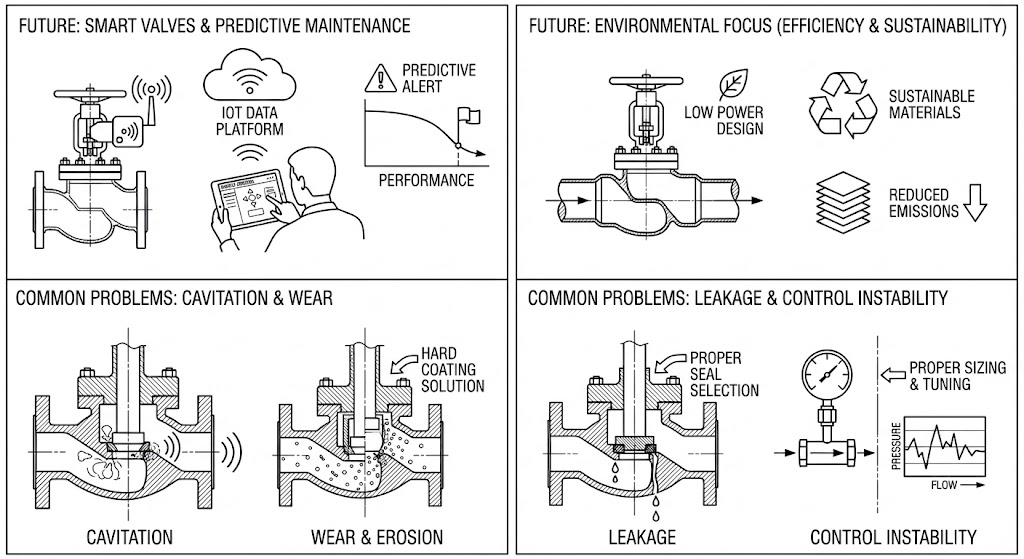
Technology is making flow control valves smarter and more efficient:
Smart Valves and IoT
- Real-time monitoring: Sensors provide instant data on performance
- Remote control: Operators can adjust valves from anywhere
- Automatic optimization: AI systems learn and improve performance
Predictive Maintenance
- Early warning: Systems predict when valves need service
- Reduced downtime: Fix problems before they cause shutdowns
- Cost savings: Avoid expensive emergency repairs
Environmental Focus
- Energy efficiency: New designs use less power
- Sustainable materials: Recyclable components reduce environmental impact
- Emissions reduction: Better control reduces waste and pollution
Common Problems and Solutions
Understanding potential issues helps prevent problems:
Cavitation
Problem: Bubbles form in liquid, causing noise and damage
Solution: Choose valves designed for high pressure drops
Wear and Erosion
Problem: Particles in fluid wear away valve parts
Solution: Use harder materials or protective coatings
Leakage
Problem: Fluid escapes around valve seals
Solution: Regular maintenance and proper seal selection
Control Instability
Problem: Flow fluctuates instead of staying steady
Solution: Proper valve sizing and tuning
Maintenance Tips for Flow Control Valves
Keeping valves working properly requires regular care:
Regular Inspection
- Check for leaks around seals and connections
- Listen for unusual noises during operation
- Monitor control response and accuracy
Preventive Maintenance
- Replace seals and gaskets on schedule
- Clean or replace filter elements
- Calibrate control systems regularly
Professional Service
- Have qualified technicians perform complex repairs
- Keep spare parts inventory for critical valves
- Document all maintenance activities
Flow control valves serve a critical purpose in modern industry: they precisely control fluid flow to maintain system stability, protect equipment, and optimize performance. From simple needle valves in laboratories to sophisticated electronic valves in chemical plants, these devices are essential for efficient, safe, and profitable operations.
The main purpose of a flow control valve is to ensure that the right amount of fluid flows at the right time, preventing waste, protecting equipment, and maintaining product quality. As technology advances, these valves are becoming smarter and more efficient, helping industries move toward a more sustainable and automated future.
Whether you’re working in manufacturing, energy, water treatment, or any other industry that moves fluids, understanding flow control valves and their purposes is essential for success. These seemingly simple devices are actually sophisticated tools that make modern industrial life possible.
By choosing the right valve for each application and maintaining it properly, companies can improve efficiency, reduce costs, enhance safety, and protect the environment. The future of flow control valves looks bright, with smart technology and environmental consciousness driving continued innovation in this essential field.