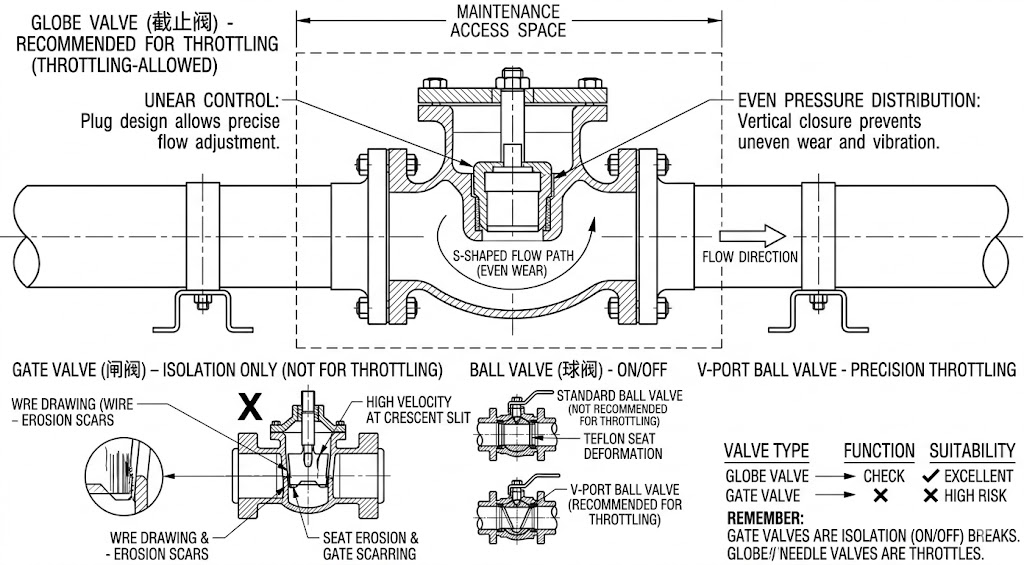
Which Valve Should Never Be Used for Throttling?
If you are looking for a quick answer to a test question or a design problem, here it is: The Answer: The Gate Valve.
Read Article →Discover technical documentation, industry trends, and insights about industrial hydraulic control valves and systems.
If you are looking for a quick answer to a test question or a design problem, here it is: The Answer: The Gate Valve.
Read Article →The Throttle Valve is always located at the BASE of the carburetor, hidden deep inside, right where the carburetor bolts to the engine.
Read Article →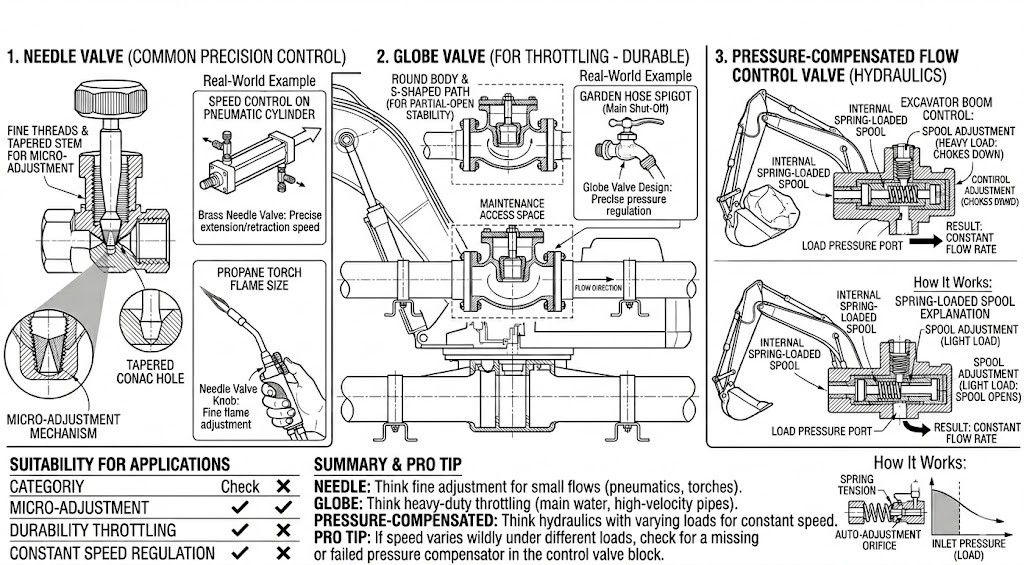
The most common example of a flow control valve is a Needle Valve.
Read Article →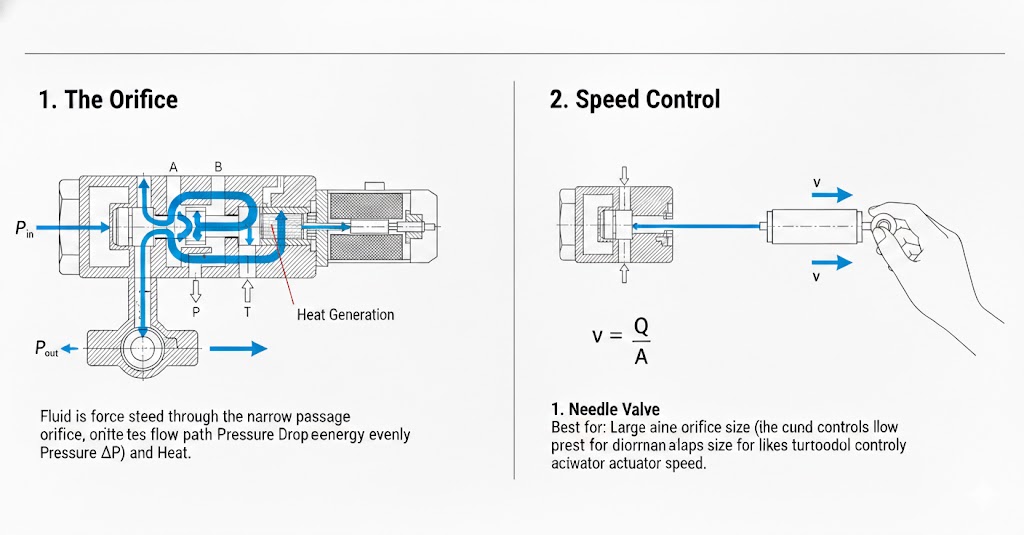
Think of a throttle valve like the nozzle on your garden hose. When you twist the nozzle to tighten the stream, you are restricting the...
Read Article →Piston pumps do not create pressure; they create flow. Pressure is simply the result of the system resisting that flow.
Read Article →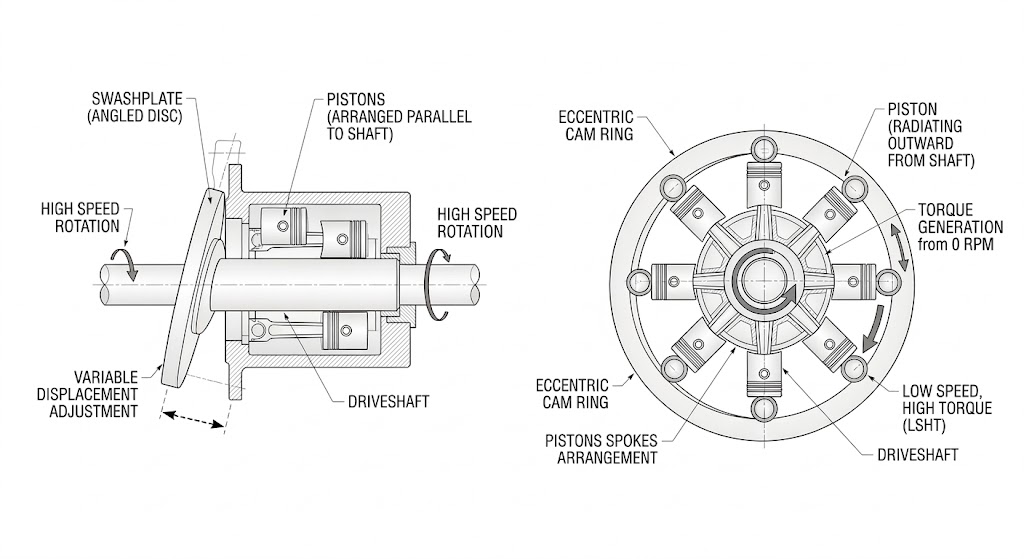
If you type “Piston Motor” into Google Images, you get a confusing mix of results. Half the pictures are V8 engines from a muscle car;...
Read Article →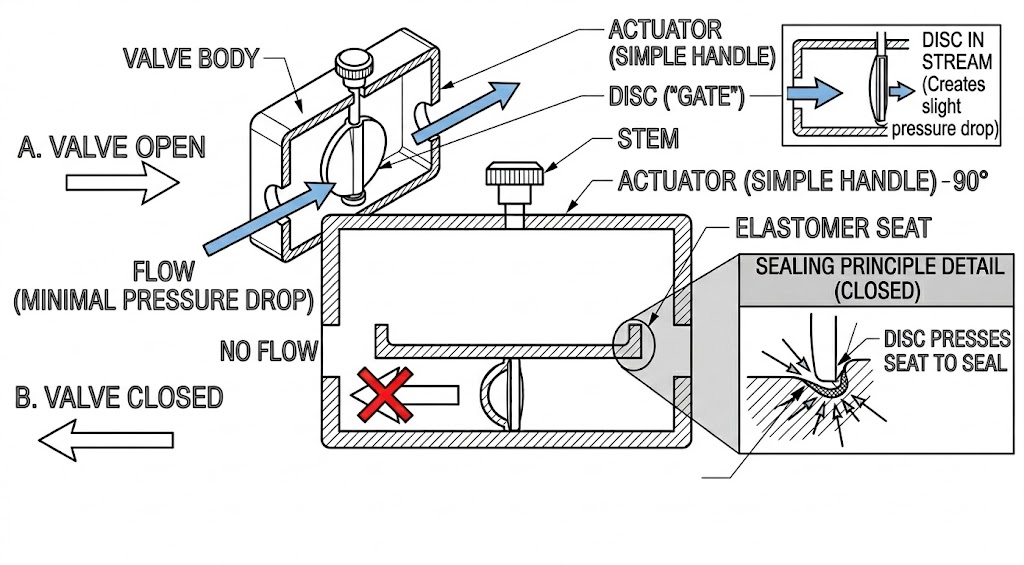
You can use a linear motion valve (like a Gate or Globe), or you can use a Quarter-Turn (Rotary) valve. The Butterfly Valve is the...
Read Article →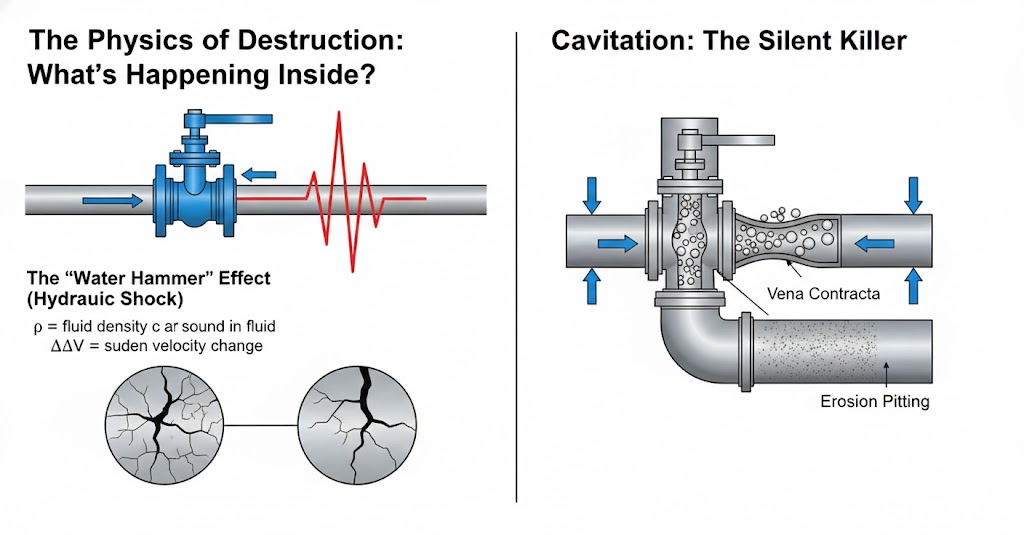
When a flow valve fails (sticks open, jams closed, or erodes), you aren't just losing control of speed; you are unleashing chaotic fluid dynamics.
Read Article →The most significant engineering disadvantage of a piston pump is Flow Pulsation.
Read Article →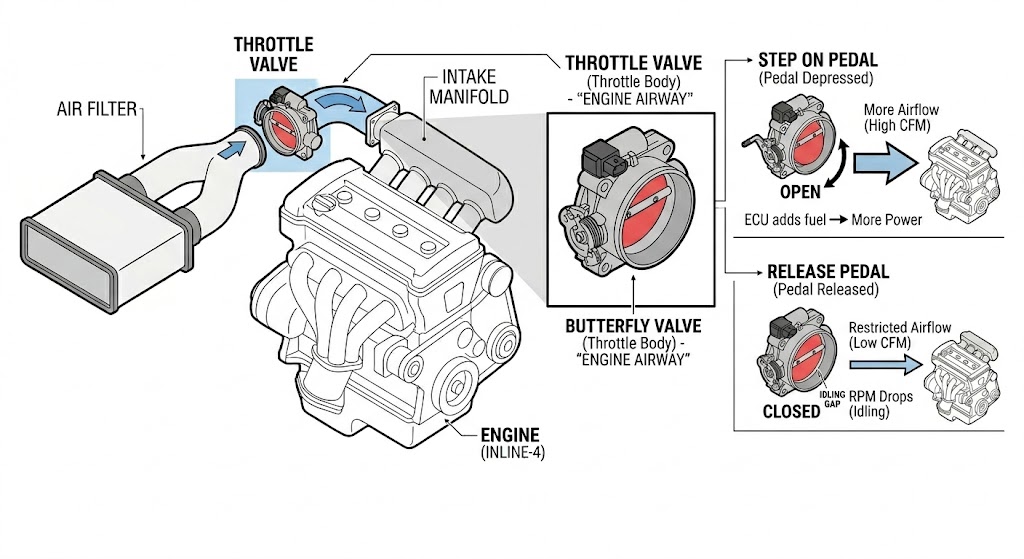
If you are searching for the meaning of
Read Article →This guide will explain why standard ball valves fail at throttling, what
Read Article →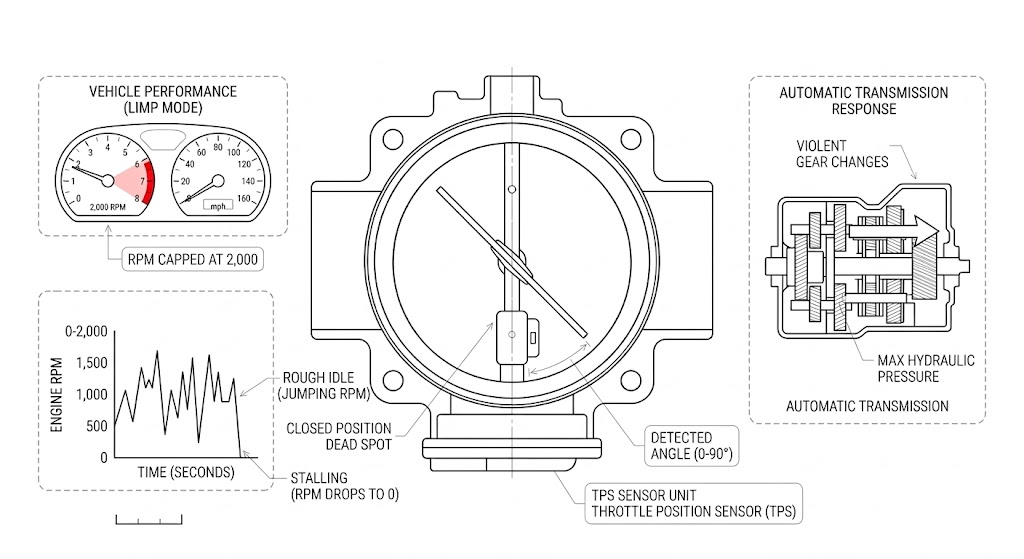
Throttle valve position issues can feel catastrophic, but the logic is simple: it is just a voltage divider reporting an angle.
Read Article →