When water pressure gets too high in your home or business, bad things can happen. Pipes can burst, water heaters can explode, and expensive equipment can break. That’s where an 8 bar PRV comes to save the day.
For complete selection guidelines and cross-reference documentation on this product line, please consult our Rexroth pressure control valve equivalents.
What is an 8 Bar PRV?
A Pressure Relief Valve (PRV) is like a safety guard for your water system. Think of it as an automatic pressure release button that opens when things get dangerous. [Learn about pressure control valves and their applications.]
The “8 bar” part tells us the pressure limit. When pressure reaches 8 bar (about 116 PSI), the valve opens and lets out extra water or steam to keep your system safe.
Why 8 Bar Matters
8 bar is a sweet spot for many systems:
- It’s safe for most home water heaters
- Perfect for small to medium buildings
- Meets safety rules in many countries
- Not too high, not too low – just right
How Does an 8 Bar PRV Work?
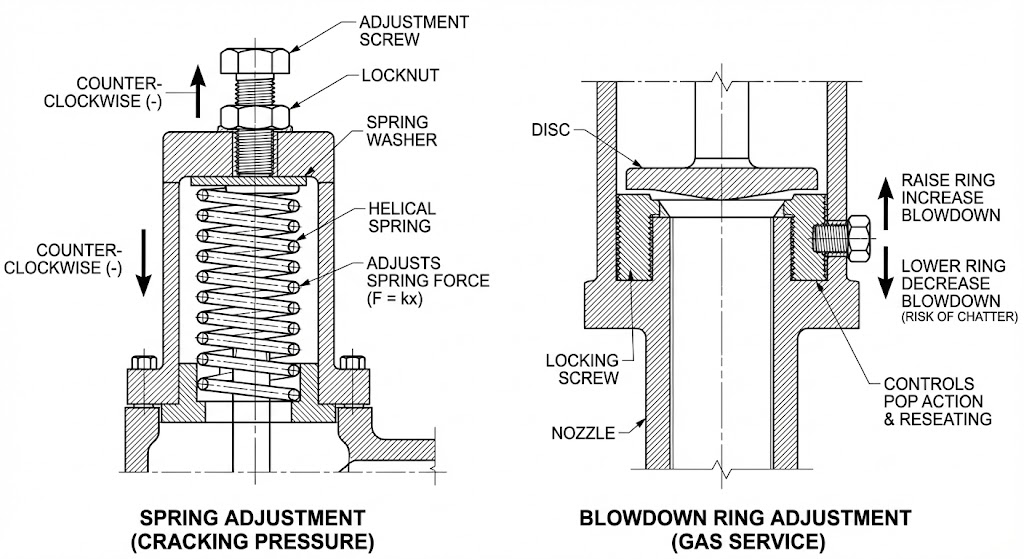
Picture a spring-loaded door that only opens when someone pushes hard enough. That’s basically how a PRV works:
- Normal pressure (under 8 bar): The valve stays closed
- High pressure (8 bar or more): The valve opens automatically
- Pressure drops: The valve closes again
It’s completely automatic – no electricity needed!
Types of 8 Bar PRVs
Direct Acting PRV
This is the simple version:
- Pros: Cheap, reliable, fast response
- Cons: Less accurate, good for small systems only
- Best for: Homes, small offices, water heaters
Pilot Operated PRV
This is the smart version:
- Pros: Very accurate, handles big flows
- Cons: More expensive, more parts to break
- Best for: Factories, big buildings, industrial use
Where You’ll Find 8 Bar PRVs
Home Water Systems
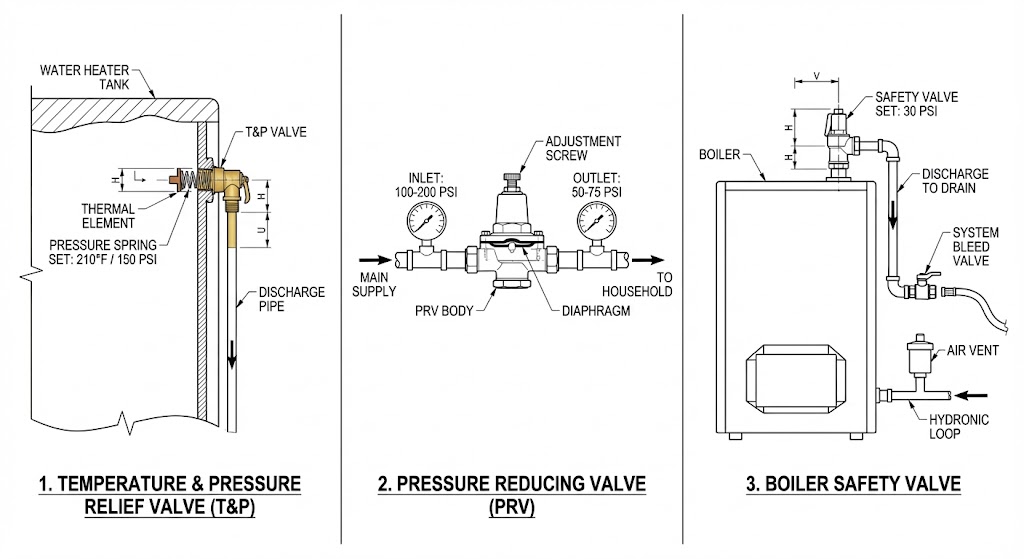
- Water heaters: Prevents dangerous explosions
- Boilers: Keeps steam pressure safe
- Hot water tanks: Stops over-pressurization
Commercial Buildings
- Fire sprinkler systems: Maintains proper pressure zones
- Heating systems: Protects expensive boilers
- Water supply: Prevents pipe damage
Industrial Uses
- Steam systems: Safety for manufacturing
- Compressed air: Protects air tools and equipment
- Chemical plants: Prevents dangerous over-pressure
Choosing the Right 8 Bar PRV
Size Matters
You need to match the valve size to your system:
- Small systems: 1/2″ to 1″ valves
- Medium systems: 1″ to 2″ valves
- Large systems: 2″ and bigger
Material Choice
- Brass: Good for most home uses
- Stainless steel: Best for harsh conditions
- Bronze: Middle ground option
For adjustable pressure settings, see adjustable relief valves
Flow Rate (Cv Value)
This tells you how much water the valve can handle. Higher Cv = more flow capacity.
Quick formula: Cv = Flow Rate × √(Specific Gravity ÷ Pressure Drop)
Don’t worry – most manufacturers provide charts to help you pick!
Installation Tips
Do’s:
- Install vertically when possible
- Keep the outlet pipe clear
- Use proper pipe supports
- Test after installation
Don’ts:
- Don’t install upside down
- Don’t block the discharge pipe
- Don’t over-tighten connections
- Don’t skip the pressure test
Maintenance Made Simple
Monthly Checks
- Look for water leaks
- Check for rust or corrosion
- Make sure discharge pipe is clear
- Listen for unusual noises
Yearly Service
- Test the valve operation
- Replace worn seals
- Check spring condition
- Verify pressure settings
When to Replace
Replace your PRV if you see:
- Constant leaking
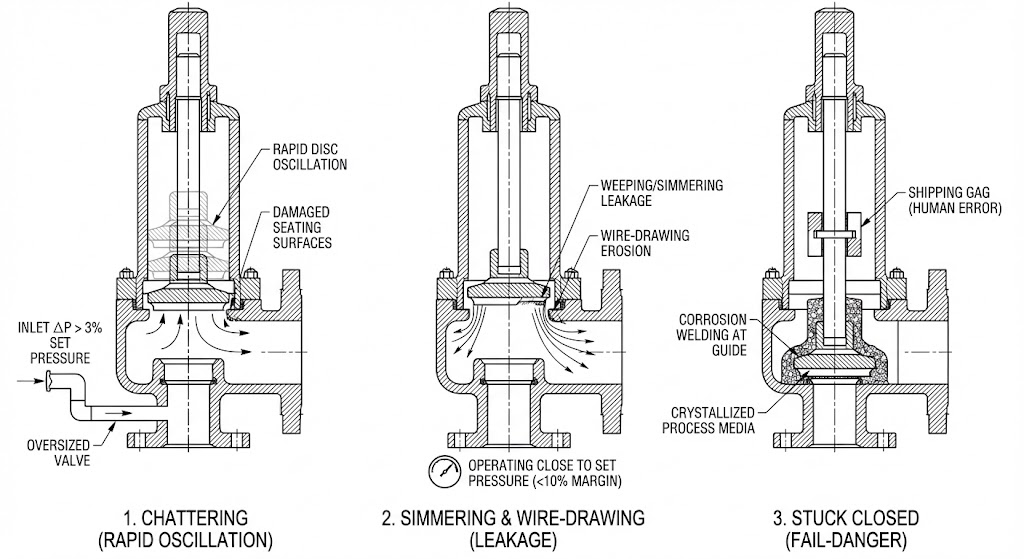
- Valve won’t open at set pressure
- Corrosion damage
- Age over 10 years
Common Problems and Solutions
| Problem | Cause | Fix |
|---|---|---|
| Won’t open | Stuck valve, wrong setting | Clean or adjust |
| Constant drip | Worn seal, debris | Replace seal, clean valve |
| Opens too early | Wrong spring, dirt | Replace spring, clean |
| Loud noise | Water hammer, wrong size | Install dampener, resize |
Safety Standards and Codes
8 bar PRVs must meet these important standards:
- ASME: American safety codes
- NSF: Safe for drinking water
- NFPA: Fire protection standards
- PED: European pressure equipment rules
Always buy certified valves from trusted brands!
Top Brands for 8 Bar PRVs
Budget-Friendly Options
- Watts: Reliable, widely available ($15-50)
- Cash Acme: Good quality, fair price ($20-60)
Premium Choices
- Swagelok: Industrial grade ($100-300)
- Caleffi: European quality ($40-150)
- Reliance: Professional grade ($30-200)
Future of PRV Technology
Smart PRVs
New PRVs can:
- Send alerts to your phone
- Track pressure over time
- Predict when maintenance is needed
- Connect to building management systems
Better Materials
- Longer lasting seals
- Corrosion-resistant coatings
- Lighter weight designs
Cost Breakdown
Initial Purchase
- Basic 8 bar PRV: $15-50
- Premium model: $50-200
- Industrial grade: $200-500+
Installation Costs
- DIY friendly: Just pipe fittings
- Professional install: $100-300
- Complex systems: $300-1000+
Maintenance Costs
- Annual service: $50-150
- Replacement parts: $10-50
- Full replacement: Every 10-15 years
Environmental Benefits
8 bar PRVs help the environment by:
- Preventing water waste from burst pipes
- Reducing energy loss in heating systems
- Extending equipment life
- Avoiding emergency repairs
Troubleshooting Guide
Valve Leaking
- Check if debris is stuck in valve
- Inspect rubber seals for damage
- Verify correct pressure setting
- Consider age – may need replacement
Won’t Activate
- Test with pressure gauge
- Check for blockages
- Verify spring isn’t broken
- Confirm proper installation
False Alarms
- Check for pressure spikes
- Look for thermal expansion
- Verify valve size is correct
- Consider water hammer issues
Professional vs DIY Installation
DIY Suitable For:
- Simple residential systems
- Accessible locations
- Standard pipe sizes
- Basic water heater protection
Call a Pro For:
- Commercial installations
- Complex piping systems
- Fire protection systems
- Code compliance requirements
Conclusion
An 8 bar PRV is one of the most important safety devices in your water system. It’s like having a security guard that never sleeps, always watching your water pressure.
Key takeaways:
- 8 bar PRVs