For complete selection guidelines and cross-reference documentation on this product line, please consult our industrial hydraulic equipment technical guide.
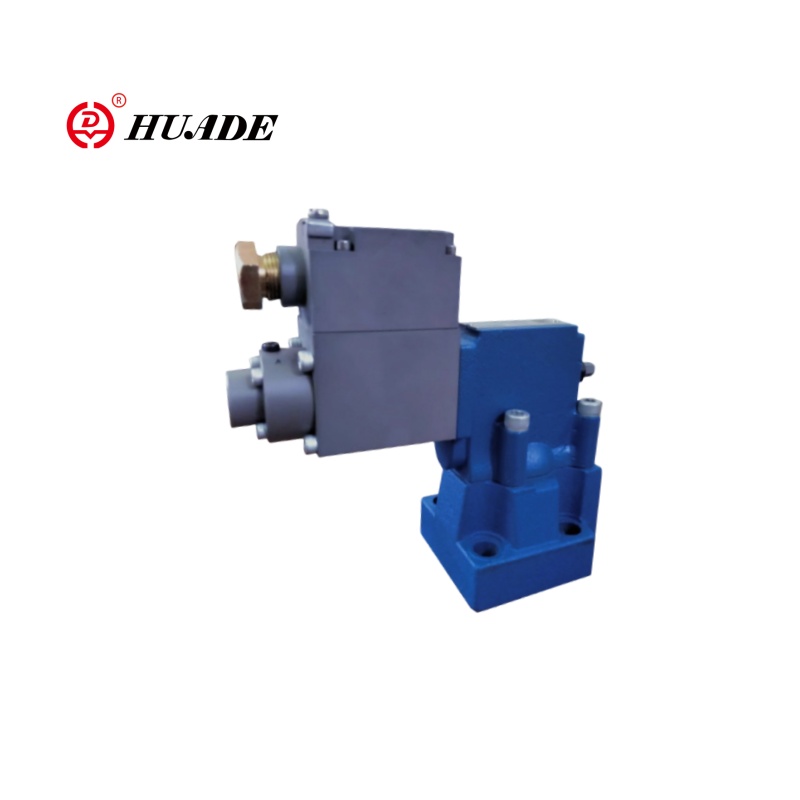
Water is everywhere around us, but controlling where it goes and how fast it flows takes special equipment. That’s where hydro valves come in. These important devices help us manage water in everything from huge dams to the pipes in our homes.
What is a Hydro Valve?
A hydro valve is basically a water controller. Think of it like a smart faucet that can start, stop, or change the direction of water flow. The word “hydro” means water, so hydro valves are specifically designed to work with water systems.
These valves do three main jobs:
- •Control direction – They decide where water goes
- •Manage pressure – They keep water pressure safe
- •Adjust flow – They control how fast water moves
Types of Hydro Valves: The Big Picture
Hydro valves come in many shapes and sizes. Here are the main types you’ll find:
By How They Work
Gate Valves
These work like sliding doors. They move up and down to open or close the water path. They’re great for turning water completely on or off, but not good for controlling flow speed.
Globe Valves
These use a plug that moves up and down to control water flow. They’re perfect when you need precise control, like adjusting water pressure.
Ball Valves
These have a ball inside that rotates 90 degrees. They’re fast and reliable for turning water on or off quickly.
Butterfly Valves
These have a disc that rotates like a butterfly’s wing. They’re lightweight and work well for large water pipes.
By How They’re Operated
- •Manual valves – You turn them by hand
- •Electric valves – Motors control them
- •Pneumatic valves – Air pressure operates them
- •Smart valves – Computer systems control them automatically
Where Do We Use Hydro Valves?
Hydro valves are everywhere! Here’s where you’ll find them:
Power Plants and Dams
Big hydroelectric dams use massive hydro valves to control water flow to turbines. These valves can be as large as garage doors and handle incredible water pressure. They help generate the electricity that powers our cities.
City Water Systems
Every city needs hydro valves to:
- •Control water pressure in neighborhoods
- •Shut off water during repairs
- •Manage water flow to different areas
- •Prevent water from flowing backward
Buildings and Homes
Inside buildings, smaller hydro valves help with:
- •HVAC systems (heating and cooling)
- •Fire sprinkler systems
- •Plumbing and water supply
- •Swimming pools and fountains
Industrial Plants
Factories use hydro valves for:
- •Cooling systems
- •Chemical processing
- •Cleaning operations
- •Safety shutoffs
The Technology Behind Modern Hydro Valves
Today’s hydro valves are getting smarter. Here’s what’s new:
Smart Valve Technology
Modern hydro valves can:
This technology helps save water and prevents costly damage from leaks.
Better Materials
New hydro valves use advanced materials that:
- •Last longer in harsh conditions
- •Resist rust and corrosion
- •Handle extreme temperatures
- •Reduce maintenance needs
Computer Design
Engineers now use computer programs to design better hydro valves. This helps them:
- •Reduce energy waste
- •Improve water flow
- •Make valves more efficient
- •Test designs before building
Why Hydro Valves Are Important for Our Future
As our world grows and changes, hydro valves become even more important:
Leaking Valves
Problem: Seals wear out over time
Solution: Regular maintenance and quality materials
Corrosion
Problem: Water and chemicals can damage valves
Solution: Use resistant materials like stainless steel or special coatings
Control Issues
Problem: Valves don’t respond properly
Solution: Upgrade to smart valves with better sensors
High Energy Costs
Problem: Inefficient valves waste energy
Solution: Modern designs that reduce friction and improve flow
Safety Standards and Regulations
Hydro valves must meet strict safety standards:
- API standards for industrial applications
- ASME codes for pressure ratings
- ISO standards for international use
- Local building codes for construction
These standards ensure valves are safe, reliable, and compatible with other equipment.
Future Trends in Hydro Valve Technology
What’s coming next for hydro valves?
Internet of Things (IoT)
Valves will be connected to the internet, allowing:
Artificial Intelligence
AI will help valves:
Sustainable Materials
New eco-friendly materials will:
Maintenance Tips for Hydro Valves
To keep hydro valves working well:
Regular Inspection
- • Check for leaks monthly
- • Look for signs of corrosion
- • Test operation regularly
- • Monitor pressure readings
Preventive Maintenance
- • Replace seals before they fail
- • Clean valves regularly
- • Lubricate moving parts
- • Update control systems
Professional Service
- • Have experts inspect annually
- • Use certified replacement parts
- • Follow manufacturer guidelines
- • Keep maintenance records
Cost Considerations
When budgeting for hydro valves, think about:
Water Conservation
With smart hydro valves, we can:
Infrastructure Improvement
Many water systems are old and need upgrades. New hydro valves help by:
Environmental Protection
Better hydro valves help protect our environment by:
Choosing the Right Hydro Valve
When selecting a hydro valve, consider these factors:
Size and Pressure
- • How big are your pipes?
- • What water pressure will the valve handle?
- • How much water needs to flow through it?
Environment
- • Will it be inside or outside?
- • What temperatures will it face?
- • Are there chemicals in the water?
- • How often will it be used?
Control Needs
- • Do you need manual or automatic operation?
- • How precise does the control need to be?
- • Will it connect to a computer system?
- • What safety features are required?
The Global Hydro Valve Market
The hydro valve industry is big business:
Key Players
Major companies making hydro valves include:
- Emerson Electric (Fisher, ASCO brands)
- Flowserve (Valtek, Durco brands)
- AVK Group
- SLB Cameron
- Huade
- IMI plc
These companies compete by offering better technology, materials, and service.