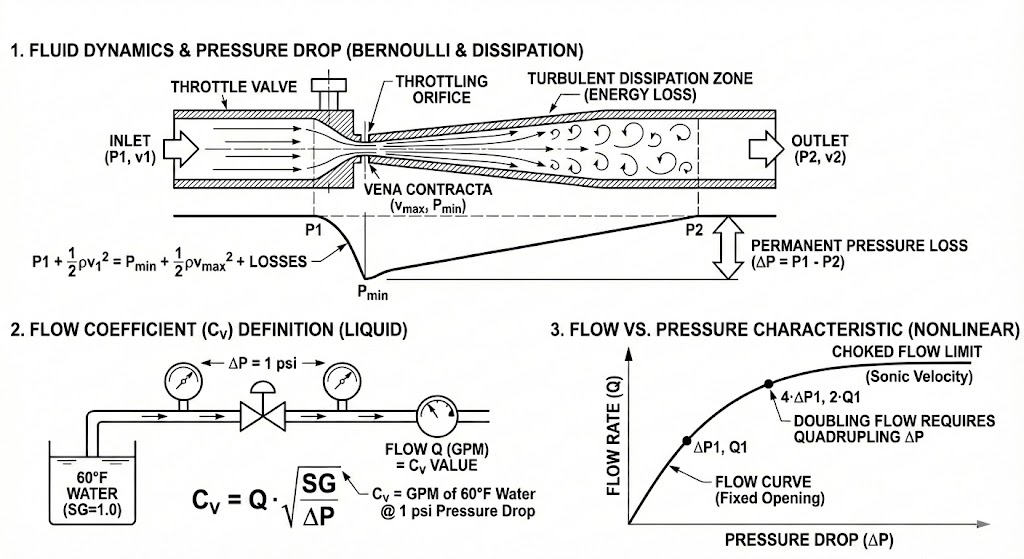
What is a throttle valve for?
Unlike simple on-off isolation valves, throttle valves are designed to operate continuously at partial openings, converting fluid pressure energy into controlled resistance.
Read Article →Discover technical documentation, industry trends, and insights about industrial hydraulic control valves and systems.
Unlike simple on-off isolation valves, throttle valves are designed to operate continuously at partial openings, converting fluid pressure energy into controlled resistance.
Read Article →The 3% rule states that the total non-recoverable pressure loss in the inlet piping leading to a pressure relief valve should not exceed 3% of...
Read Article →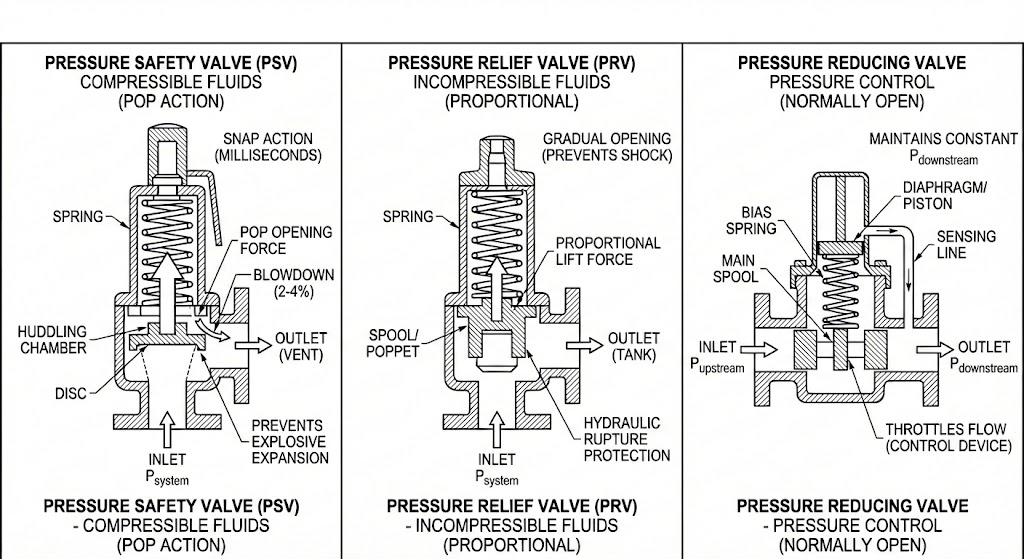
A pressure valve controls or limits pressure within a fluid system by releasing excess pressure when it exceeds a predetermined setpoint.
Read Article →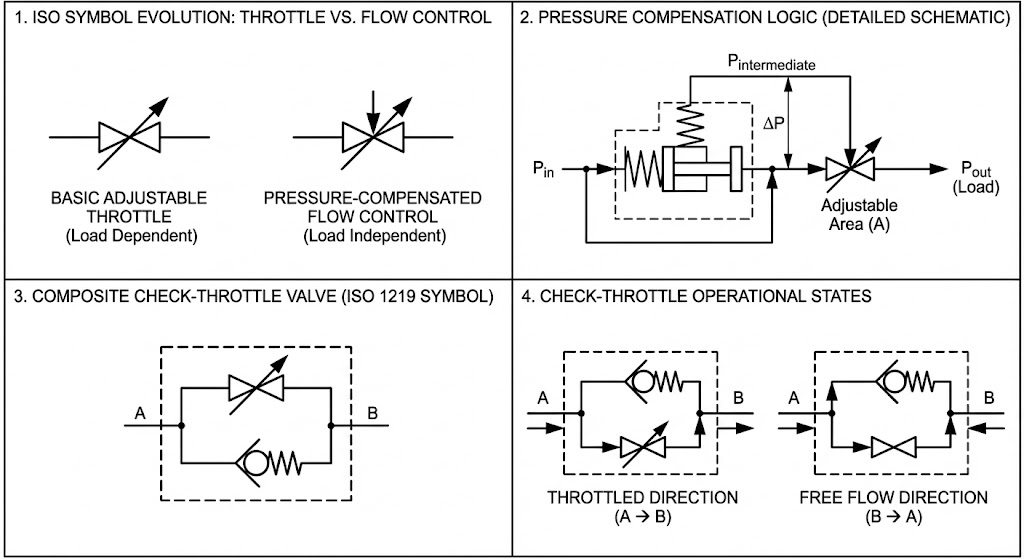
The throttle valve symbol represents more than just a component on paper.
Read Article →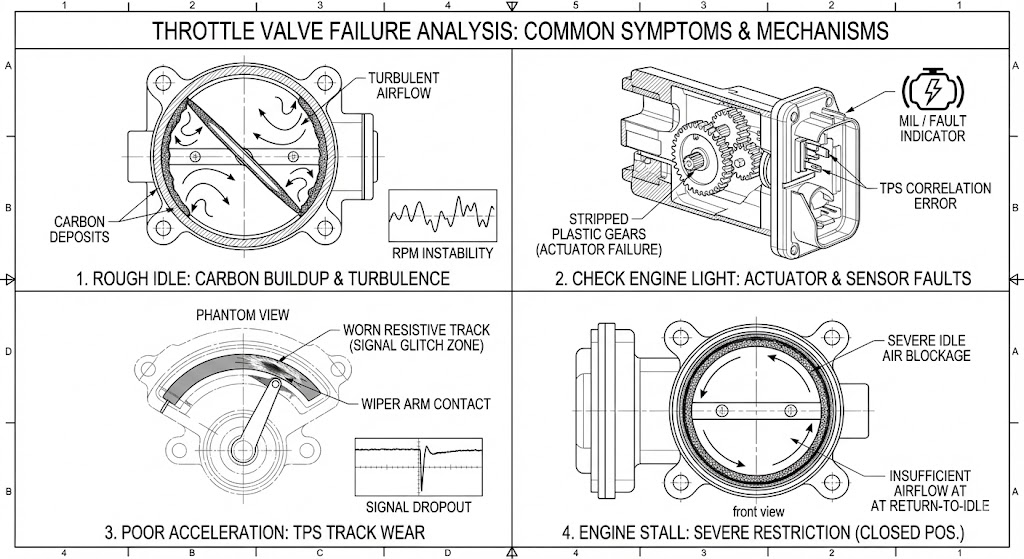
Understanding these symptoms helps you identify issues early, before they cause expensive damage to other engine components like the catalytic converter or transmission.
Read Article →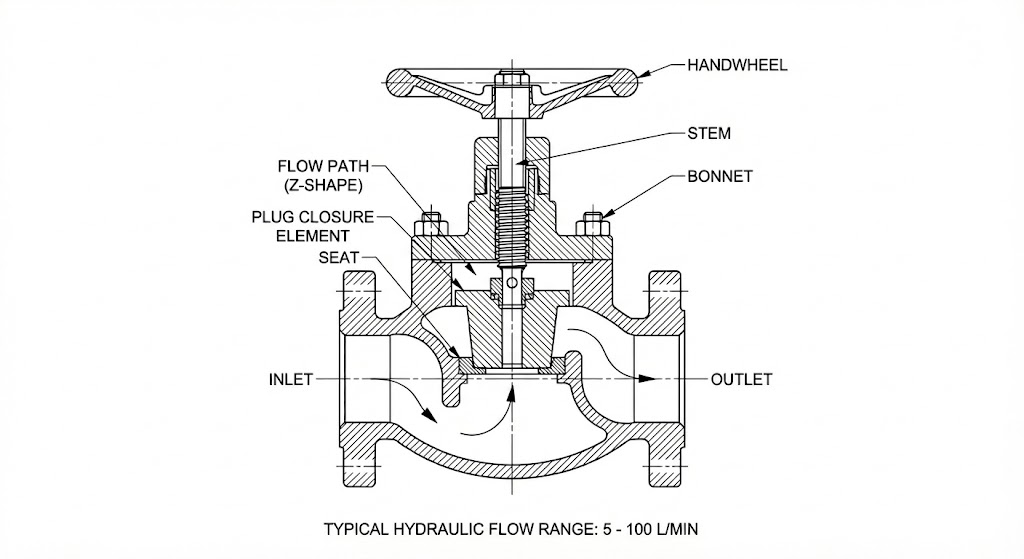
Understanding the different hydraulic flow control valve types available helps engineers select the right solution for their specific application
Read Article →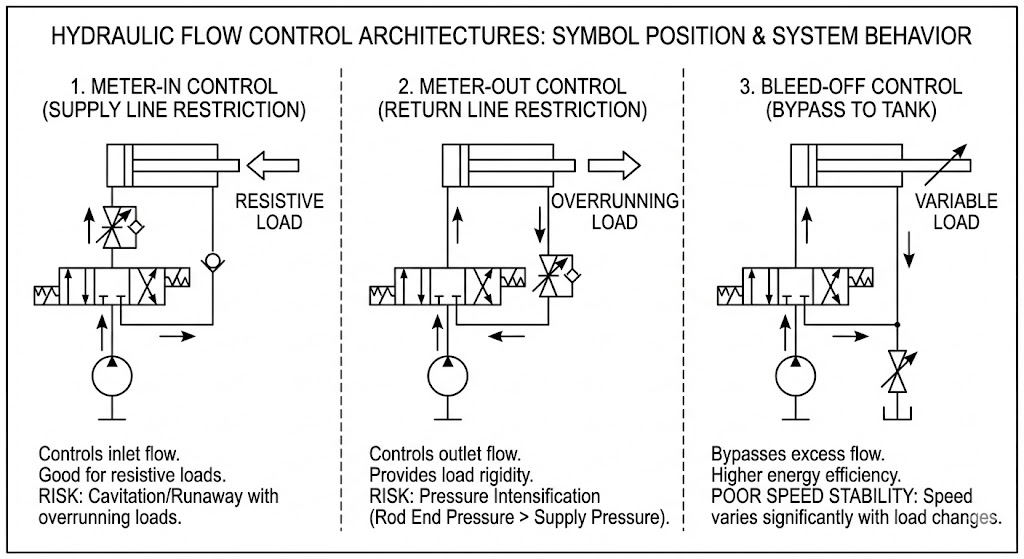
The root cause of choked flow lies in how pressure disturbances travel through a moving fluid.
Read Article →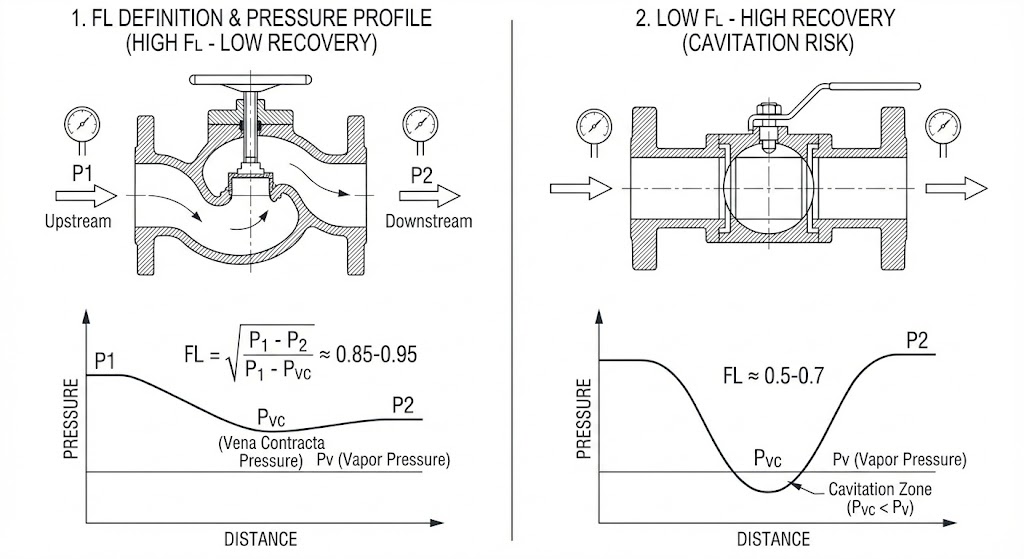
When engineers encounter control valve datasheets, two mysterious parameters often appear without much explanation: FL and xT. These dimensionless coefficients represent far more than simple...
Read Article →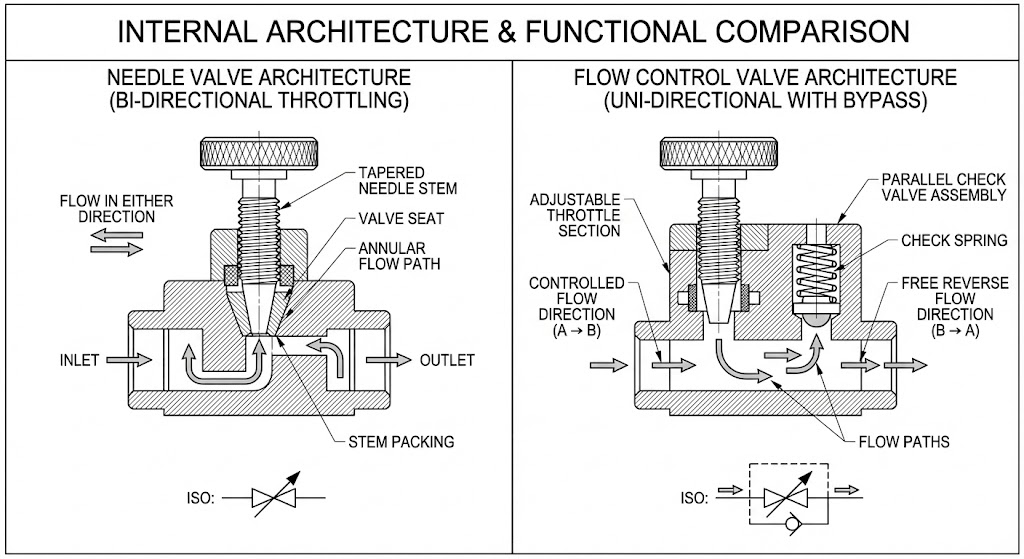
The major difference between a needle valve and a flow control valve lies in their directional flow characteristics.
Read Article →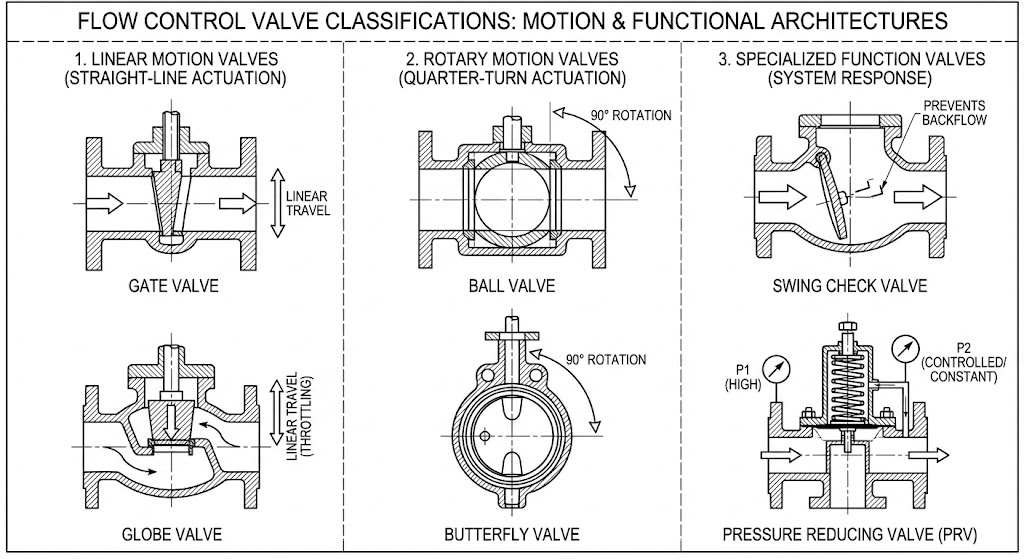
Understanding the fundamental differences between flow valve types is the foundation of sound engineering decisions.
Read Article →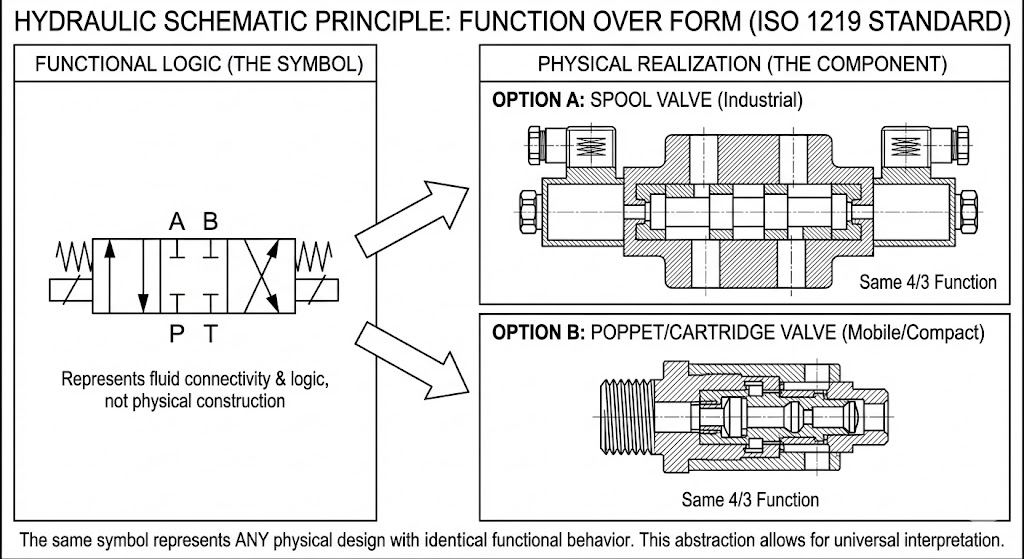
Learning how to read a hydraulic valve diagram might feel overwhelming when you first encounter those geometric shapes, lines, and arrows.
Read Article →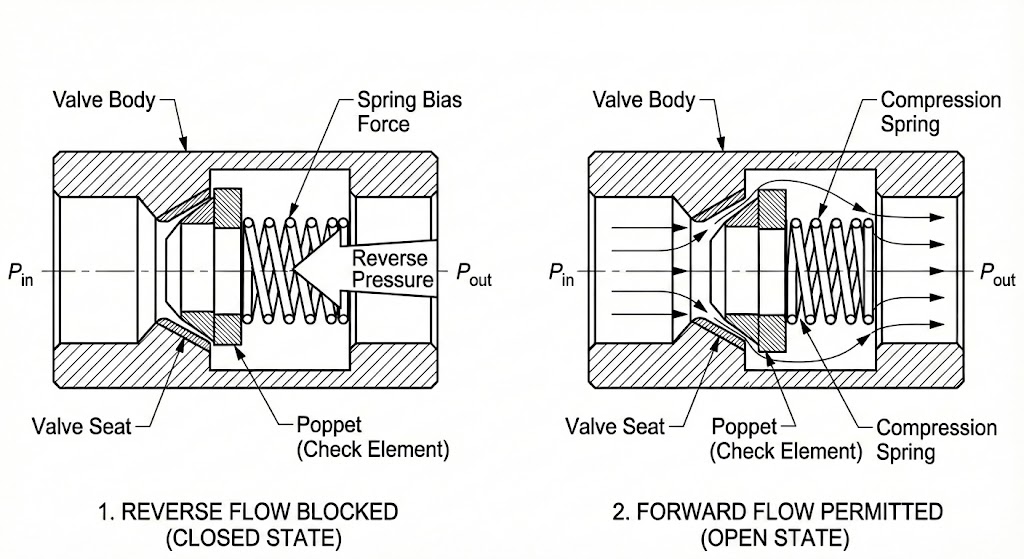
Hydraulic check valves serve as fundamental safety components in fluid power systems.
Read Article →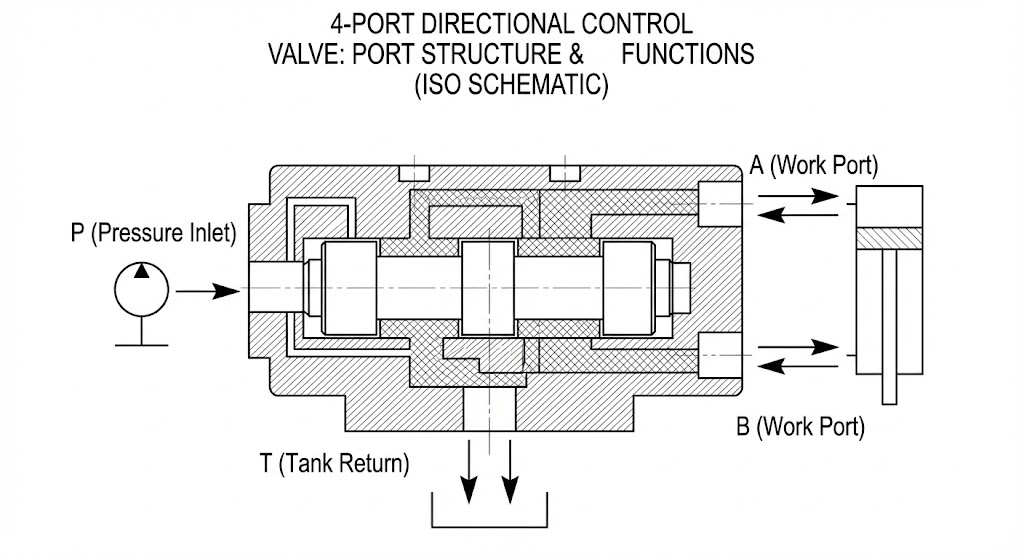
When you look at a hydraulic valve, you'll notice several port markings stamped or labeled on the valve body.
Read Article →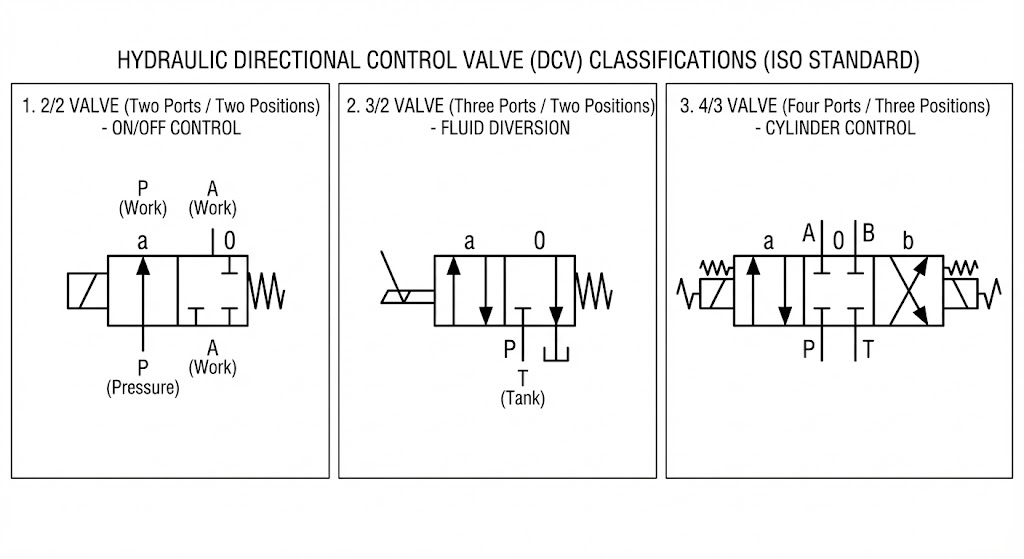
Selecting the right hydraulic valve can make or break your fluid power system. If you've ever stood in front of a valve catalog wondering whether...
Read Article →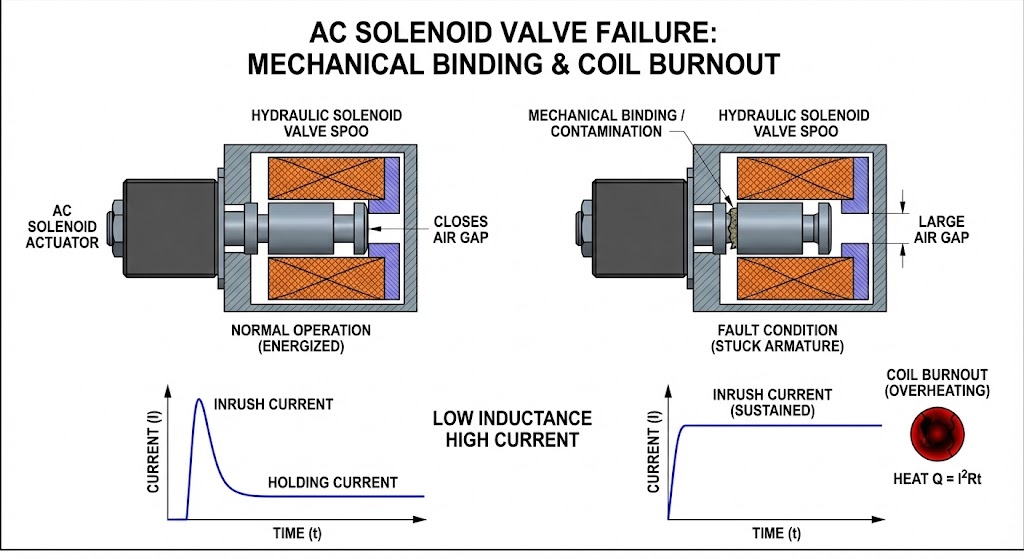
The root causes of directional control valve failure typically include contamination (responsible for 70-80% of failures), mechanical wear, electrical problems, seal deterioration, and improper installation.
Read Article →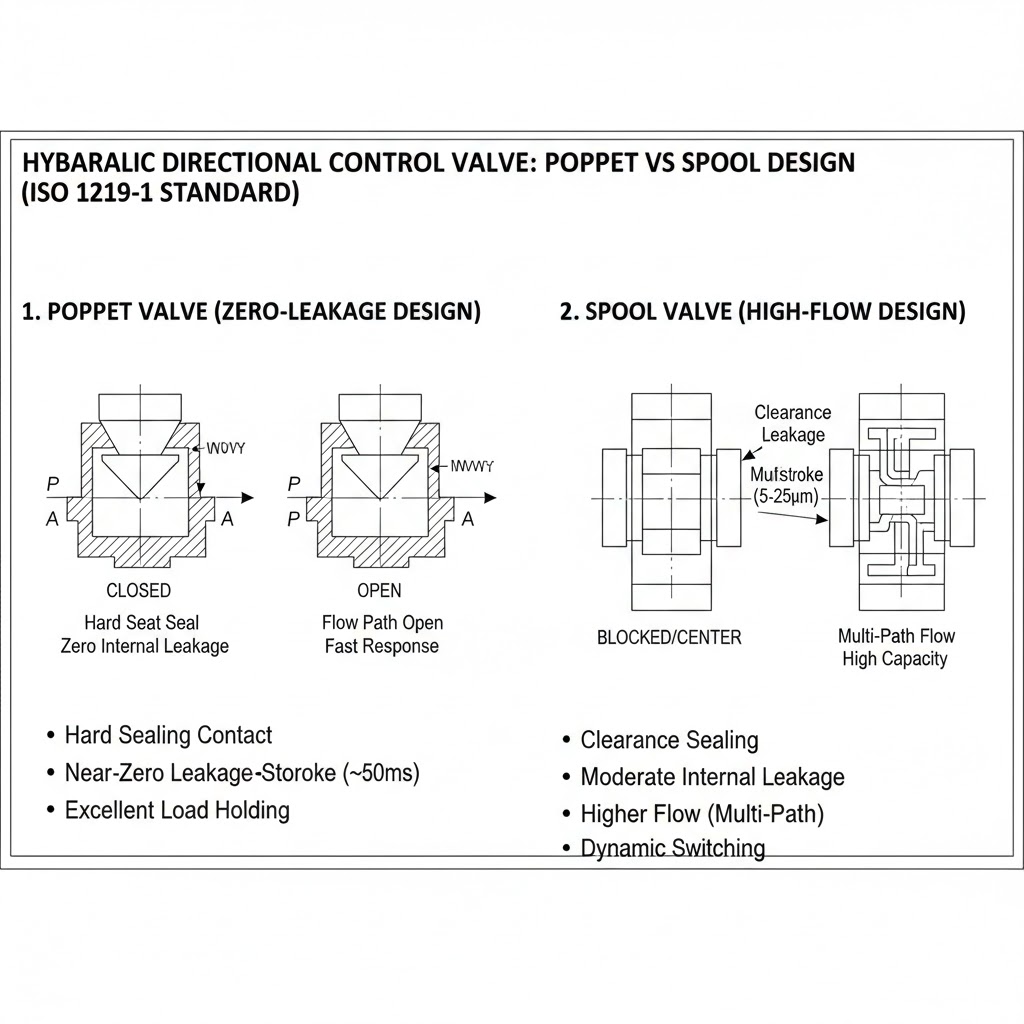
A 2 way hydraulic directional control valve is one of the simplest yet most essential components in fluid power systems.
Read Article →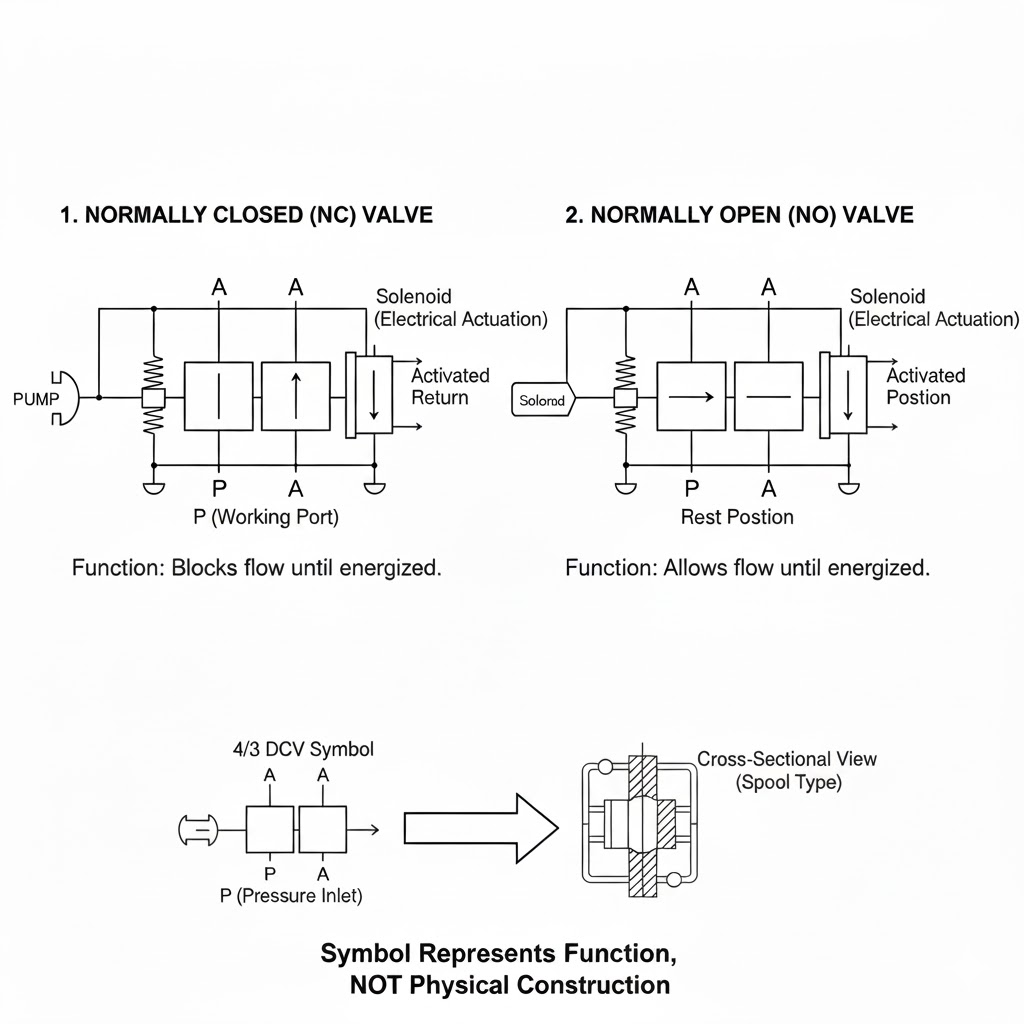
When you look at a hydraulic circuit diagram, the 2 way hydraulic valve diagram appears as one of the simplest symbols on the page.
Read Article →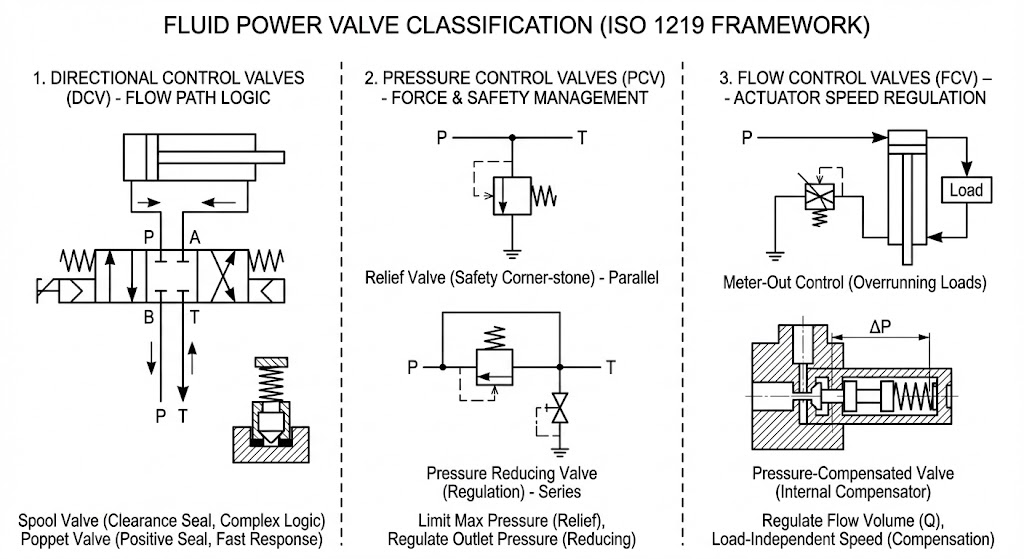
When engineers and technicians search for
Read Article →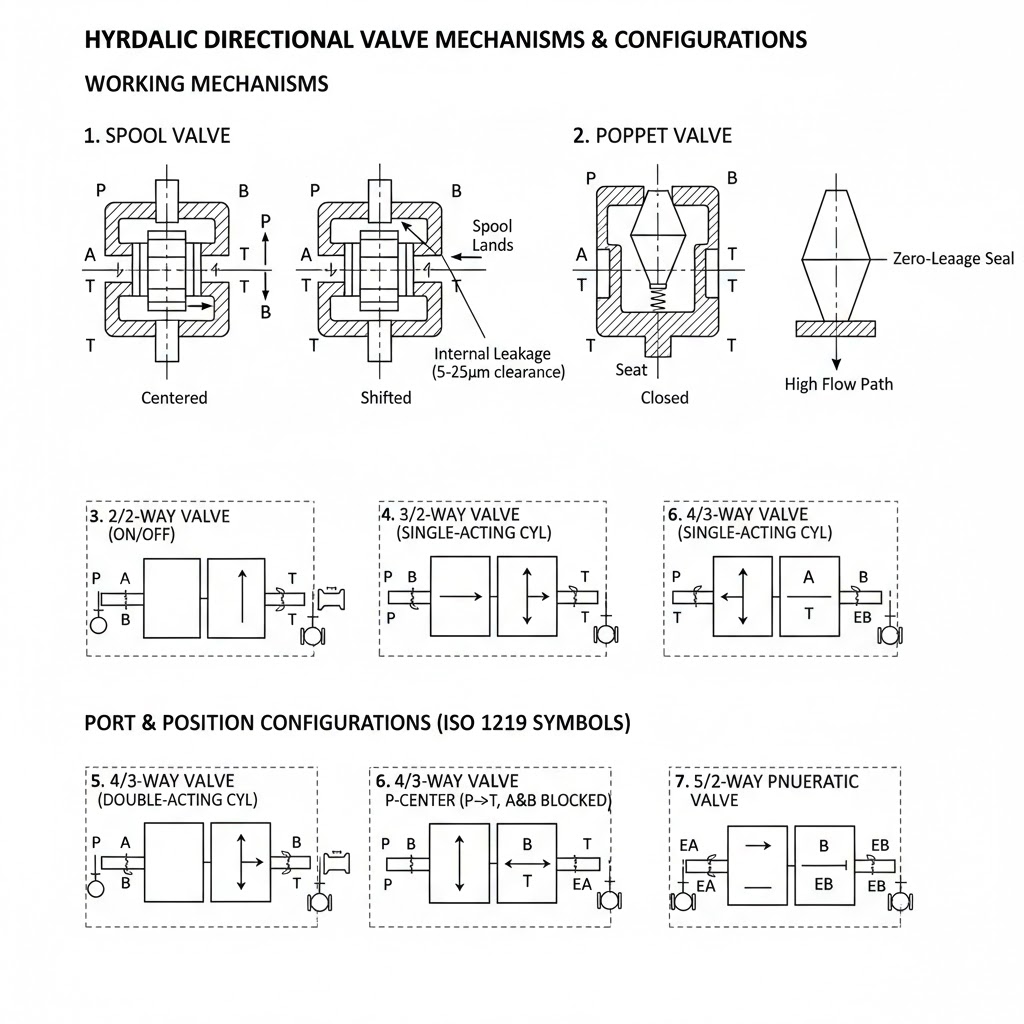
A directional control valve (DCV) is a hydraulic or pneumatic component that manages the flow path of working fluid within a power transmission system.
Read Article →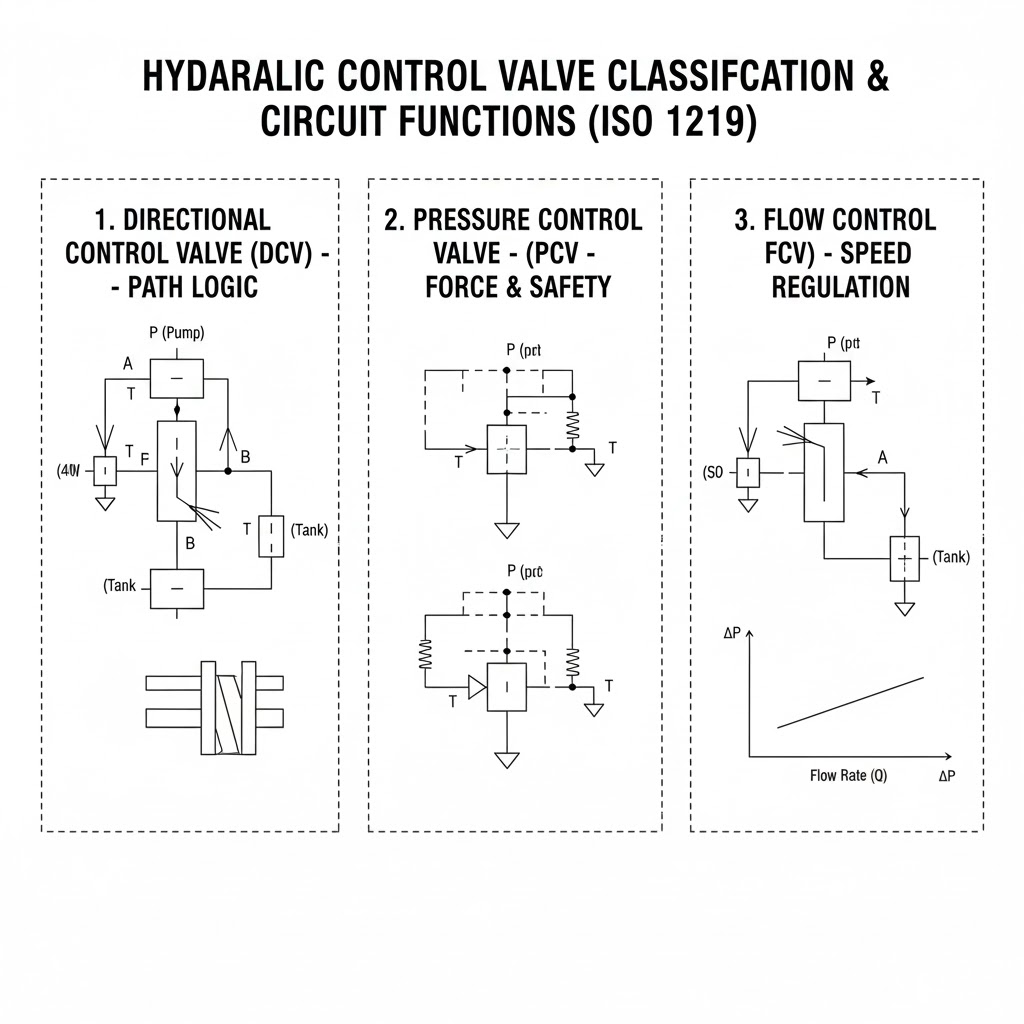
The classification of hydraulic control valve types follows a functional framework that has remained consistent across decades of hydraulic engineering practice.
Read Article →