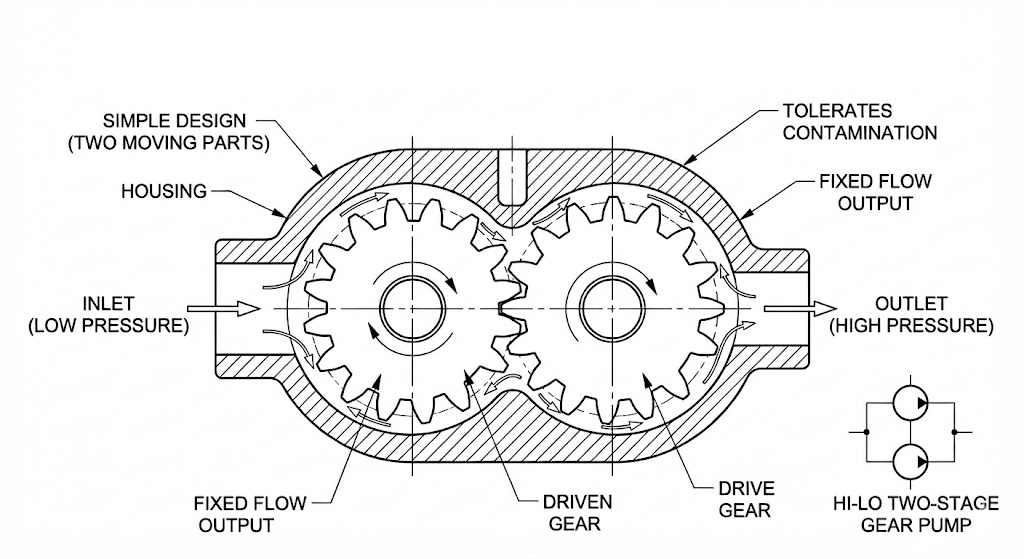
Hydraulic Piston Pump vs. Gear Pump: Which One Do You Actually Need? (Decision Guide)
We’re moving beyond the textbook definitions. I’m going to give you the real-world rules of thumb to help you decide.
Read Article →Discover technical documentation, industry trends, and insights about industrial hydraulic control valves and systems.
We’re moving beyond the textbook definitions. I’m going to give you the real-world rules of thumb to help you decide.
Read Article →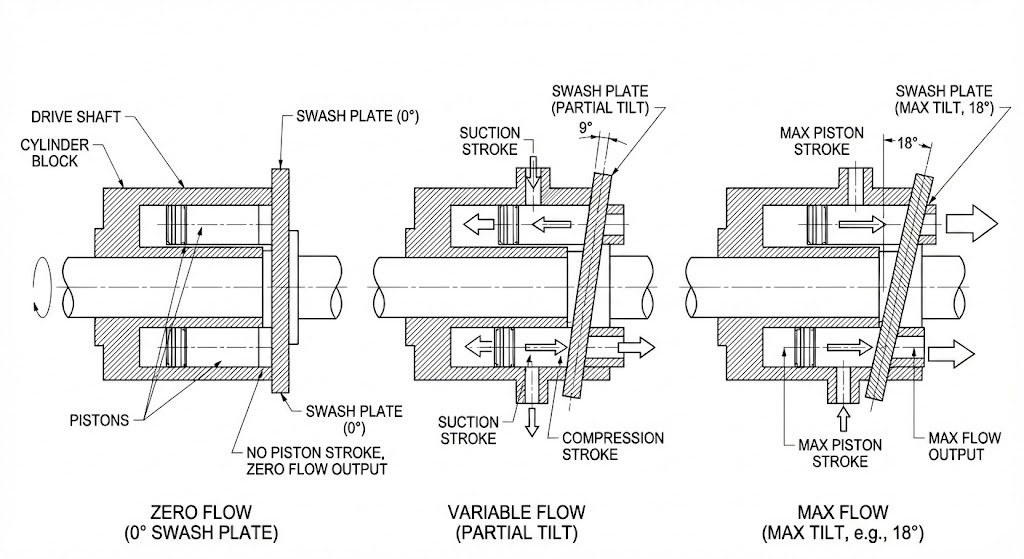
I’m going to skip the boring textbook definitions. Instead, I’ll show you exactly how they move, why they fail, and which type you actually need.
Read Article →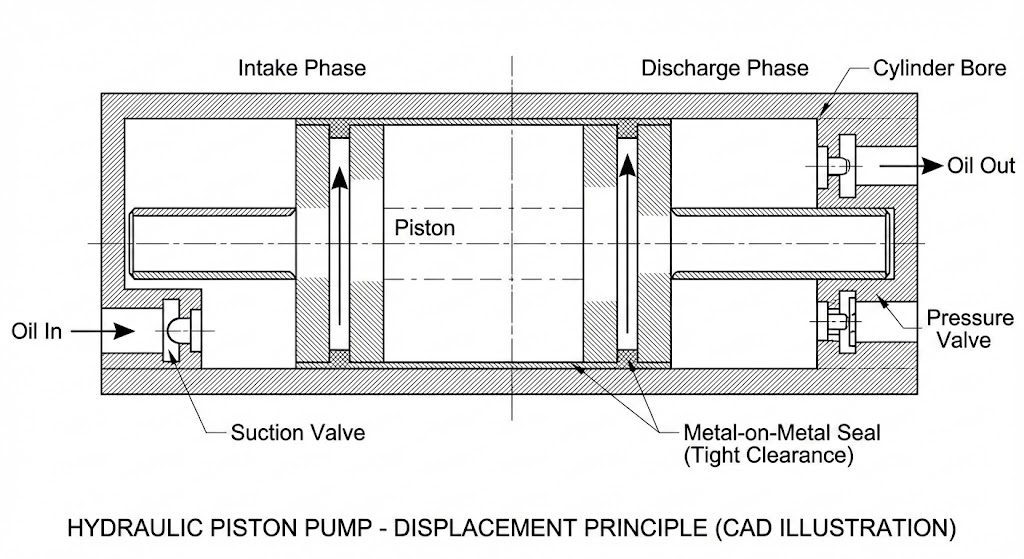
I’m going to skip the textbook fluff. We are going to look at the hydraulic piston pump through the eyes of an engineer.
Read Article →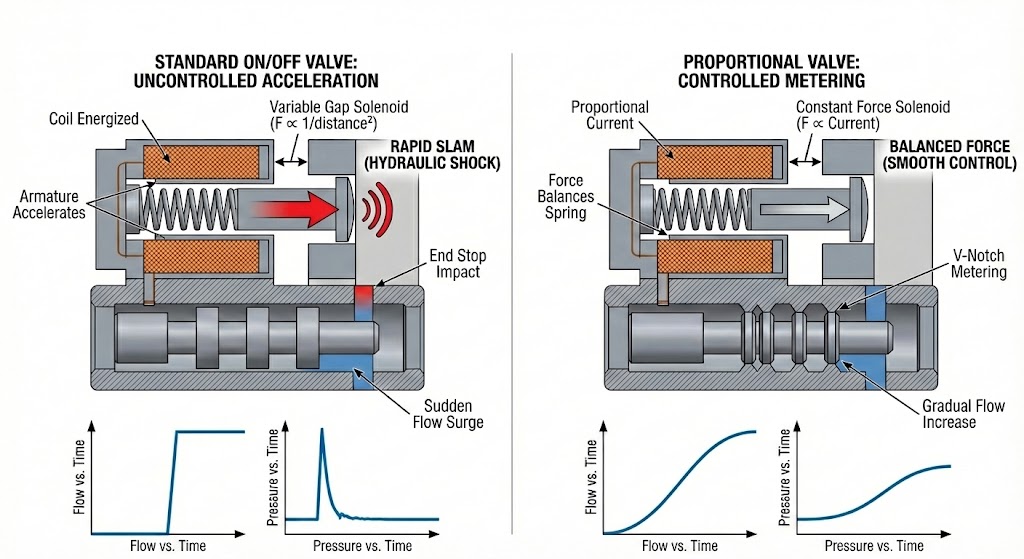
Non-Proportional (On/Off) Valves are like a light switch. It’s either 100% dark or 100% bright. There is no middle ground. Proportional Valves are like a...
Read Article →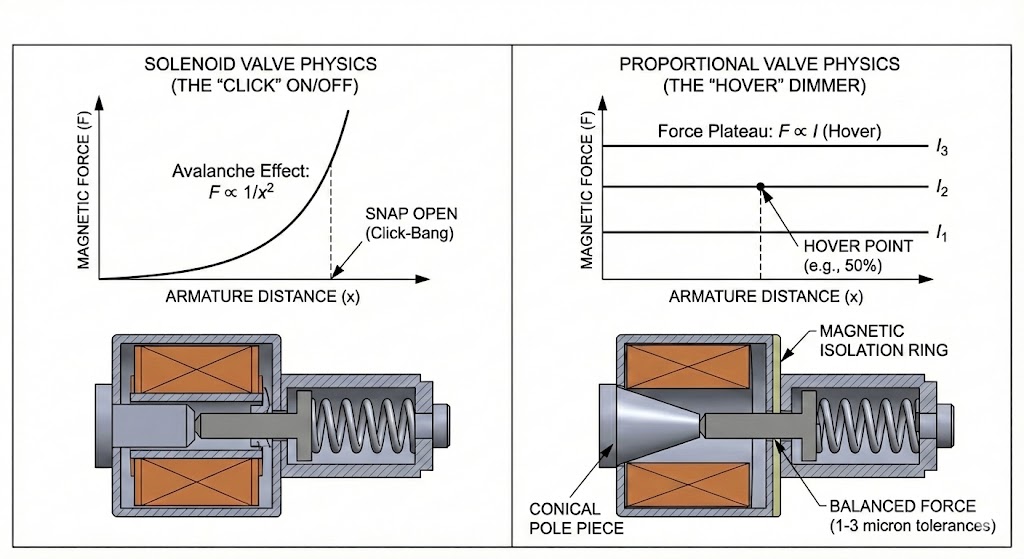
You see a standard solenoid valve for $50, and next to it, a proportional valve option for $500 (plus a driver card). Is the proportional...
Read Article →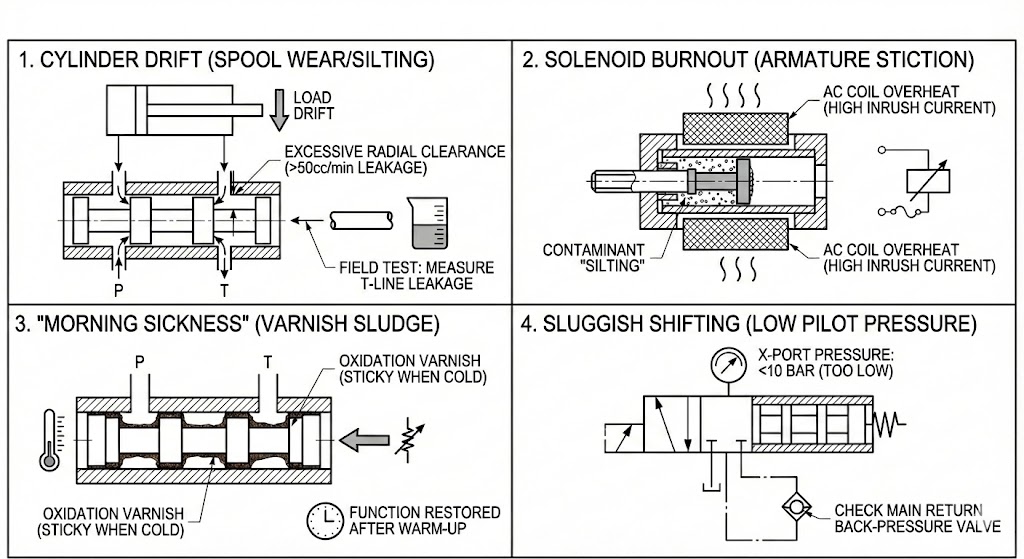
If the hydraulic pump is the heart of your system, the Directional Control Valve (DCV) is the brain.
Read Article →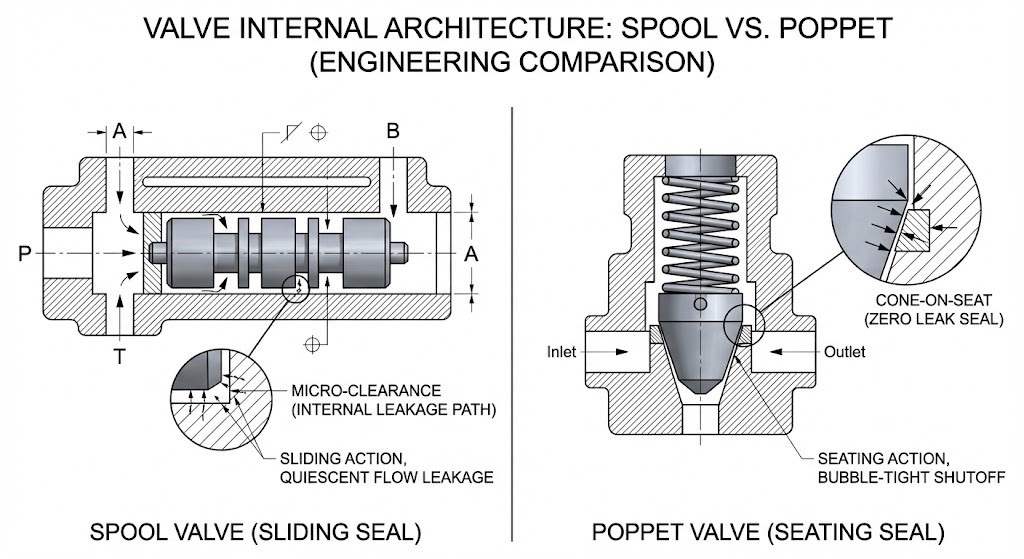
This guide will help you decode ISO symbols, understand directional control valve types, and select the right Directional Control Valve (DCV) for your application.
Read Article →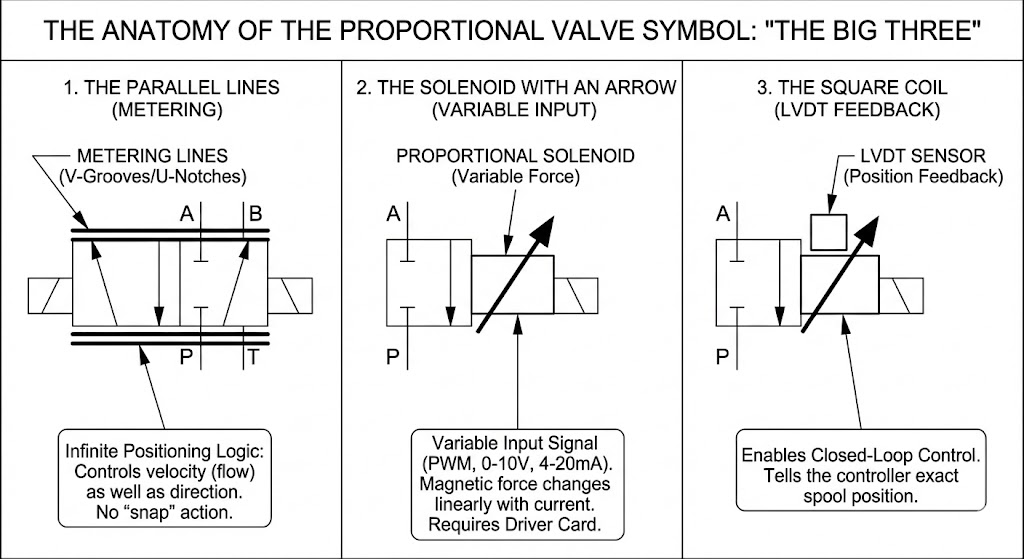
I can tell you that misreading a Proportional Valve Symbol isn't just a paperwork error.
Read Article →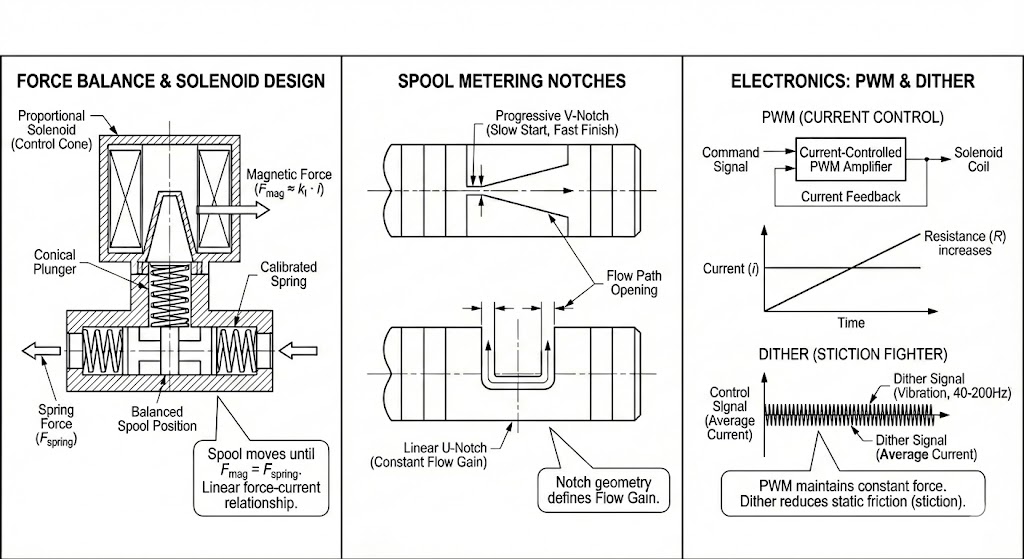
I’ve seen engineers try to fix this with flow controls and accumulators. But the real solution is usually moving from
Read Article →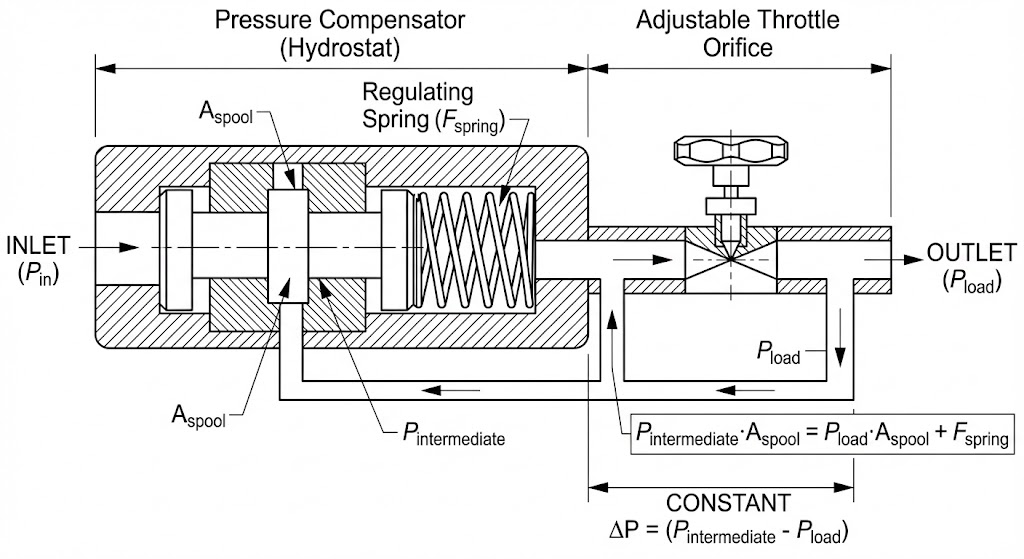
A pressure compensated flow control valve solves this fundamental problem by automatically adjusting its internal resistance to maintain constant flow regardless of load pressure fluctuations.
Read Article →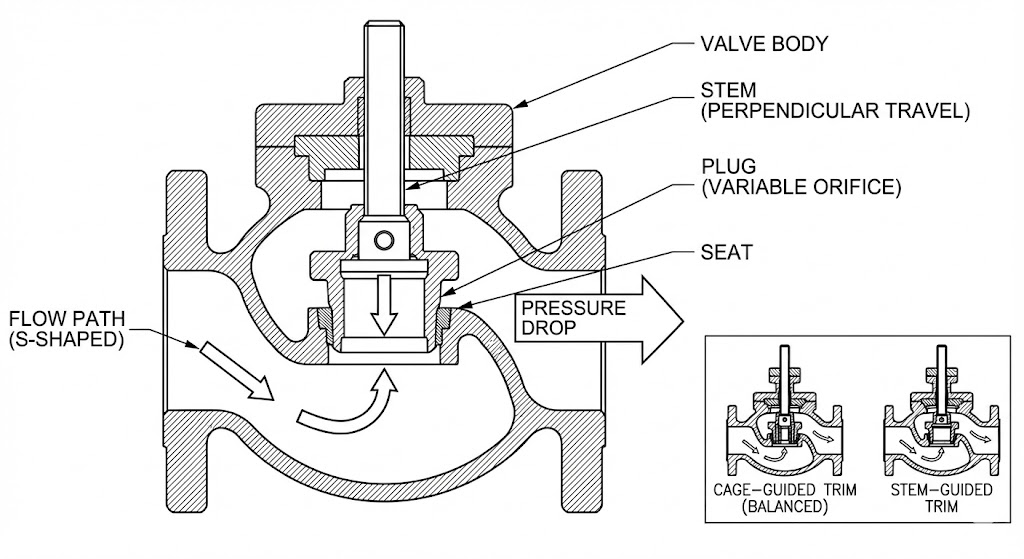
When engineers ask which valve type works best for controlling flow, they're really asking about throttling capability—the ability to modulate flow rate precisely rather than...
Read Article →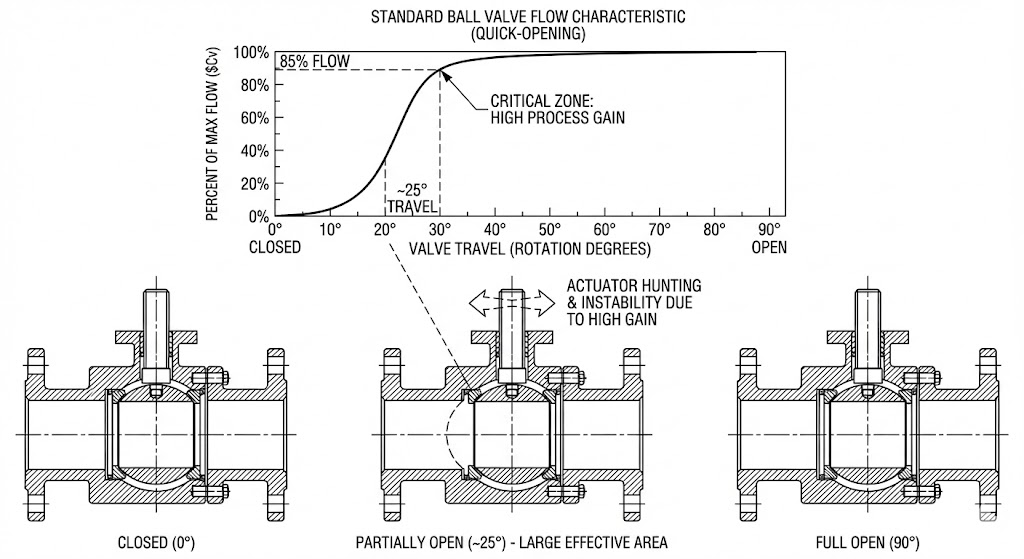
The short answer is technically yes, but practically no—at least not with standard ball valves.
Read Article →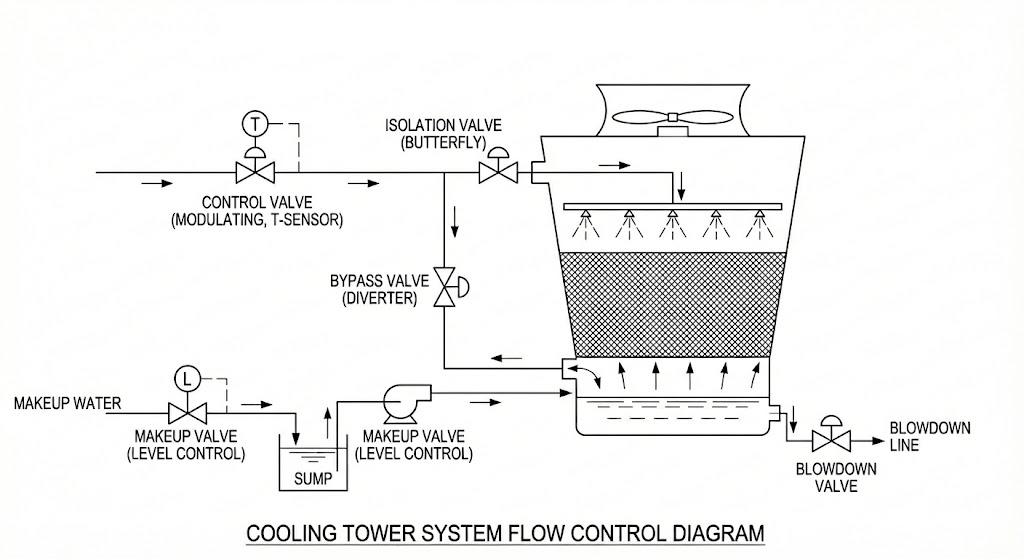
A cooling tower flow control valve is a mechanical device that regulates water flow within industrial and commercial cooling systems.
Read Article →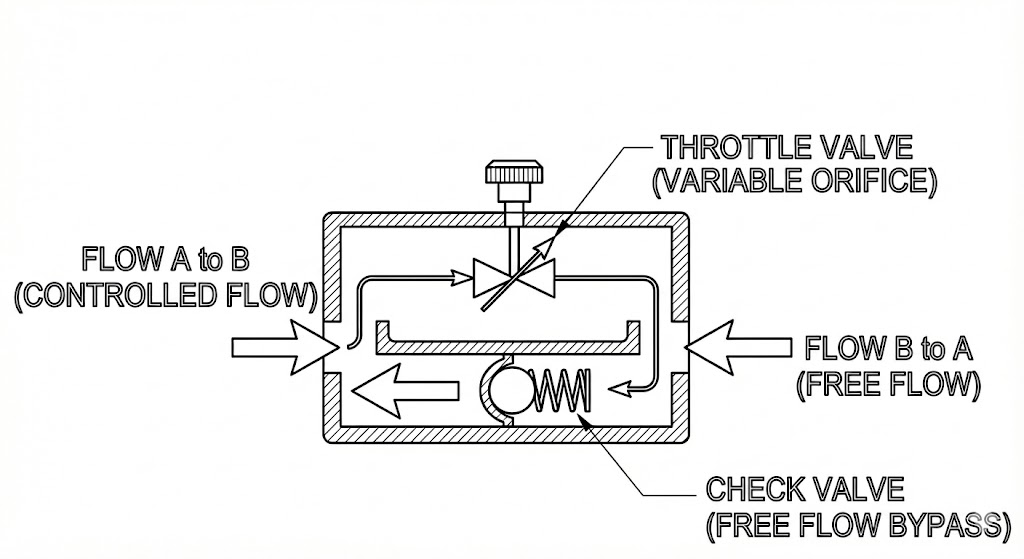
The most common flow control valve is actually a combination of two simpler components working together.
Read Article →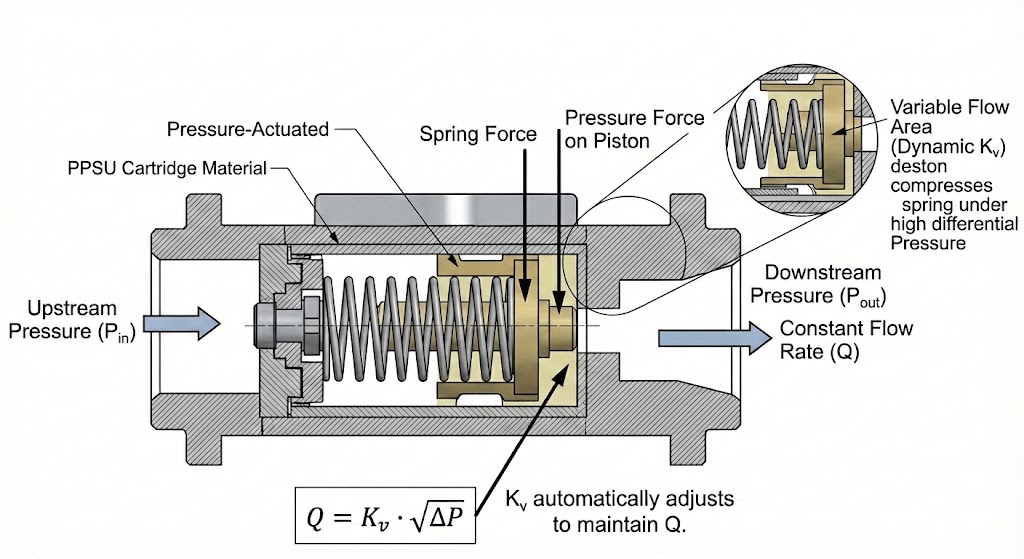
An automatic flow control valve solves this by mechanically adjusting its opening to compensate for pressure changes
Read Article →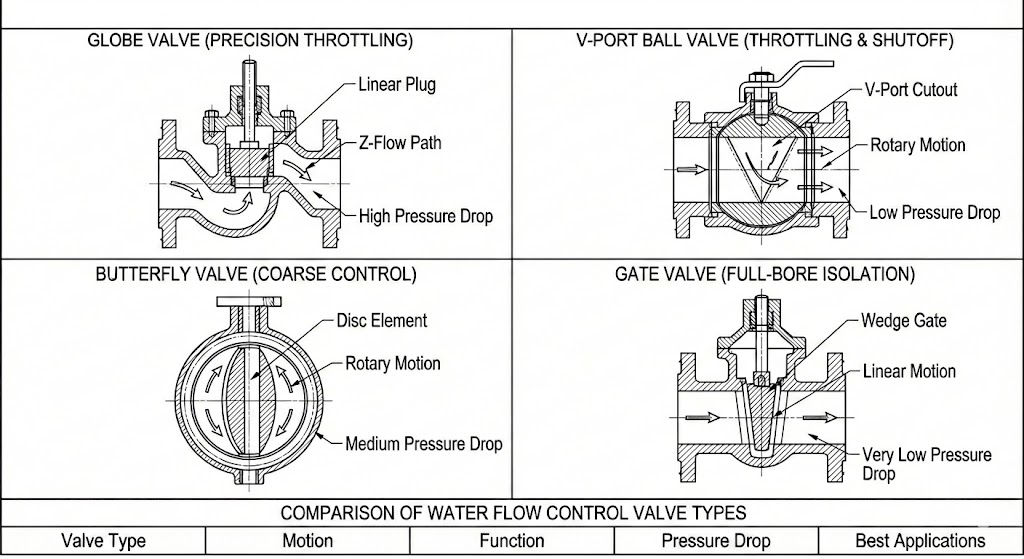
A water flow control valve is a mechanical device installed in pipelines to regulate fluid flow rate by adjusting the opening of the flow passage.
Read Article →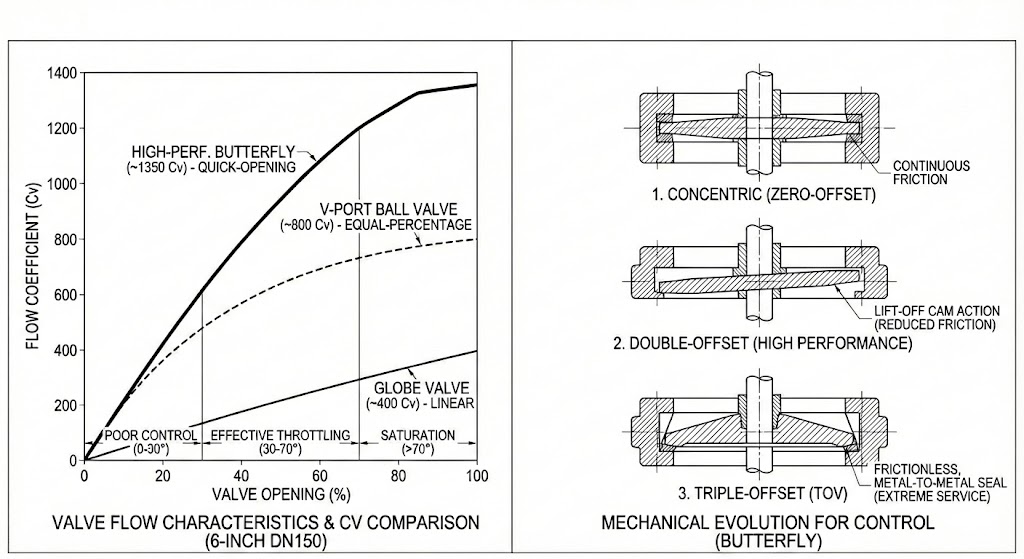
Yes, butterfly valves can be used for flow control, but with important qualifications.
Read Article →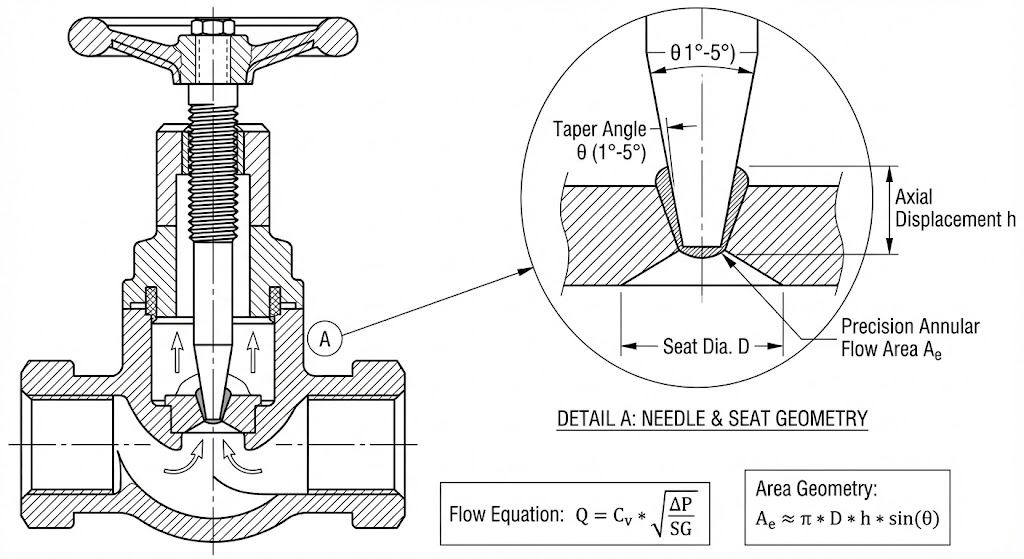
When you need to control fluid flow with surgical precision, a needle valve is your go-to solution.
Read Article →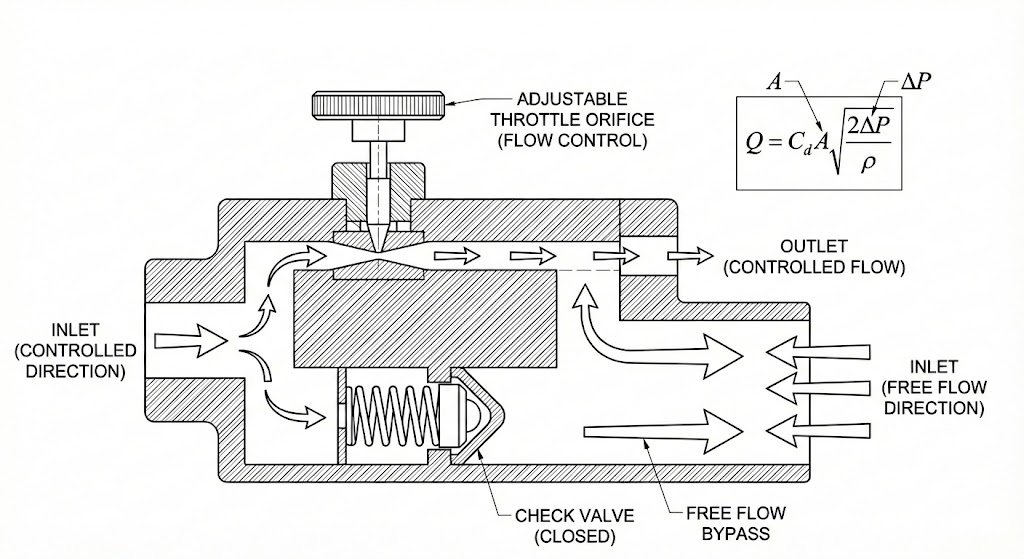
A one-way flow control valve combines directional control with adjustable flow restriction in a single compact unit.
Read Article →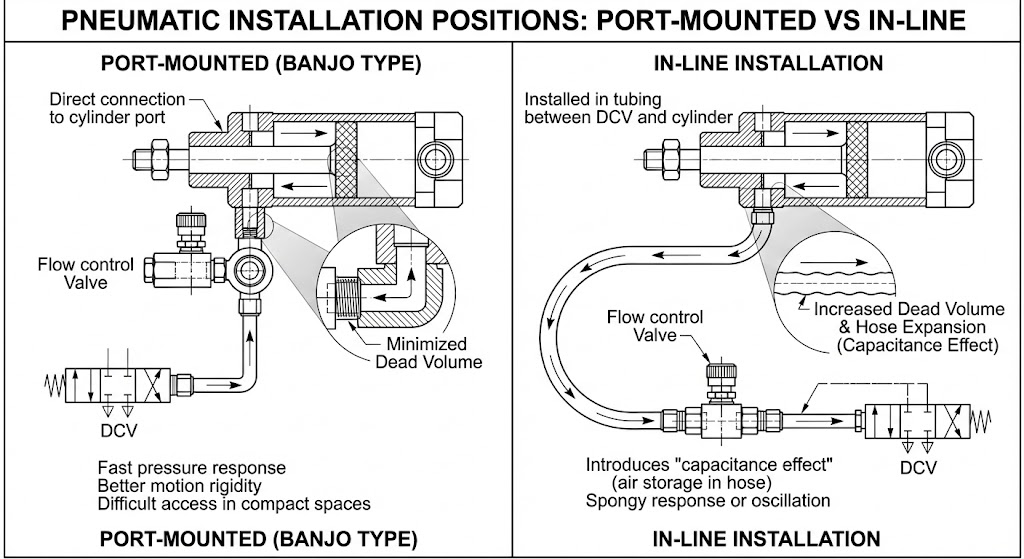
Adjusting a pneumatic flow control valve isn't just about turning a knob clockwise or counterclockwise.
Read Article →